Kikoff: Build Credit Quickly
- 137.19K
- 4.8
- Installs
- 5.00M
- Price
- Free

Screenshots

Analysis by Reviewed APKs
Kikoff: Build Credit Quickly is a finance app for people who want to establish or strengthen their credit history while keeping an eye on their scores. I see its main appeal in bringing credit-building payments, bureau monitoring, and options for reporting rent or bills together in one place. It is a focused tool, not a broad personal-finance manager, and credit results will depend on each person’s circumstances.
A credit-building routine
Picture a monthly routine where you already have rent and utility bills to manage, but you also want to be more deliberate about building credit. Kikoff gives you a dedicated credit-building account and plan, then reports eligible activity to Equifax, Experian, and TransUnion after your first payment. I like that the app’s central task is straightforward: use the service, make payments on time, and give that payment history a chance to contribute to your credit profile.
When I think through that scenario, the useful part is having monitoring and credit-building features in the same app. I could check scores across the three bureaus, look into a credit error, and consider rent or bill reporting without treating each task as a separate project. The service describes its plans as having no credit check or interest, but it is still a financial product with terms to review before signing up. On-time payments matter; late ones can hurt.
A focused credit tool
Compared with a general budgeting app, Kikoff is aimed at credit history and credit-score monitoring rather than tracking everyday spending. It also differs from simply checking a score: its credit account and reporting features are meant to help build credit through activity, while its score tools help you keep tabs on bureau information. That combination gives it a practical role for someone who wants both an action to take and a way to monitor their credit.
I would not treat Kikoff as a replacement for a full financial dashboard, a lender comparison service, or professional financial guidance. The app’s stated credit-building mechanism is tied to purchasing Kikoff products and services through a specialized credit line, subject to approval. Its rent and bill reporting options may also appeal to people whose regular payments are a better fit for their routine. The trade-off is that users need to understand the plan and reporting terms, not just the headline purpose.
Small habits that help
A simple habit is to check the app on a predictable day each month, around the time you review other bills. That makes it easier to keep track of the plan and payment schedule without turning credit monitoring into an all-day project. I’d also compare the bureau scores periodically rather than reacting to every small movement. Credit information can differ across bureaus, and the app’s monitoring tools are most useful when treated as a way to stay informed.
Kikoff also gives users a reason to look beyond the credit account itself. If rent or utilities are part of your regular expenses, its reporting features may be worth exploring, while the in-app dispute option can help you address credit errors. I would make one change at a time and check what each feature requires. Building a steady routine is more sensible than expecting a quick score jump; the app’s own results vary by person.
More From Our News Desk

Zoom Meetings, Google Meet, or Teams: Which Is Easiest to Join?

How I Build a Free Streaming Lineup With Tubi

Why Crunchyroll Is the Default Anime App for So Many Fans

YouTube TV: A Practical Guide to Cutting Cable

Rummikub and the Small Comfort of Phone Games

TeamViewer Remote Control or AnyDesk for Helping Family?
Who may find it useful
I’d recommend Kikoff to someone who wants a dedicated place to work on credit-building activity and monitor scores from the three major bureaus. It may be especially relevant if you are starting with a limited credit history, or if you want to see whether rent and bill reporting fit your situation. The app brings those functions together, which could make a monthly credit routine feel more manageable than juggling several separate services.
It may be less appealing if you only want a free score check, need an all-in-one budget tracker, or do not want a credit-building plan with payments and account terms to consider. Anyone using it should read the current plan details and understand that outcomes differ; a particular score increase is not something to count on. I’d also suggest checking the store information for device requirements before installing, since compatibility can depend on the version of Android you use.
Kikoff: Build Credit Quickly is made by Kikoff Inc. and is listed on Google Play with over 5 million installs. It has a 4.8-star rating from about 137,000 ratings. The app is free to download, and the supplied store facts say it contains no ads and offers no in-app purchases. The service itself describes paid plans, so it is important to distinguish the free app download from the financial products and plan terms available through Kikoff.
Google Play gives the app an Everyone content rating. The supplied app version is 1.187.3573; its release date is March 25, 2021, and its last update is dated October 27, 2026. The available facts do not specify a minimum Android version, so check the Google Play page on your device for current compatibility details. Kikoff’s service description says its Credit Service starts at $5 per month for 12 months.
A closer look at Kikoff day to day
Getting started
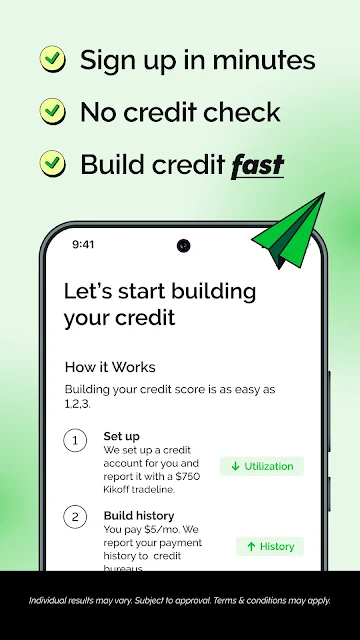
When I first opened Kikoff, the clearest way to understand it was to think of it as a credit service with supporting monitoring tools, rather than a score widget. Its description centers on choosing a plan and making a first payment, after which it says reporting begins to Equifax, Experian, and TransUnion. That gives a new user a clear outline of the intended process without suggesting that a score change happens instantly.
Before getting started, I would take a few minutes to read the plan terms and decide whether the service fits my monthly budget and goals. The app is free to download, but Kikoff describes its Credit Service as starting at $5 per month for 12 months. The distinction matters: an easy-to-install app can still connect to a paid service. I’d also check the current Google Play page for device compatibility.
The monthly experience
The day-to-day rhythm is likely to be more occasional than constant. Credit building is tied to payment activity, so the practical task is keeping the plan in view and making payments on time. The app also provides credit-score monitoring across three bureaus. I’d use those checks as periodic snapshots, not as a reason to refresh repeatedly or assume every change is directly caused by one action.
That measured pace suits a service focused on building a history over time. Kikoff says its credit line is designed for purchasing Kikoff products and services, including a monthly plan, and that reporting is subject to approval. This is more specific than a generic credit tracker. It also means users should understand the account arrangement and its obligations before relying on it as part of their routine.
Monitoring and reporting
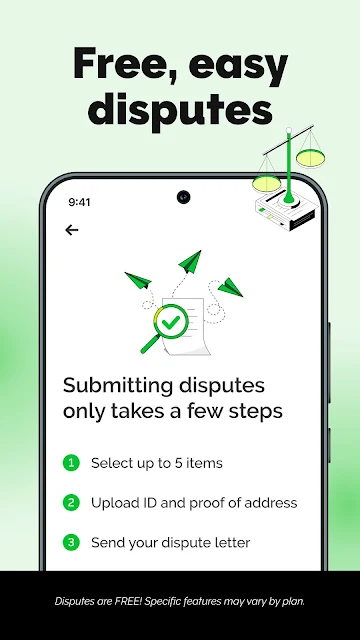
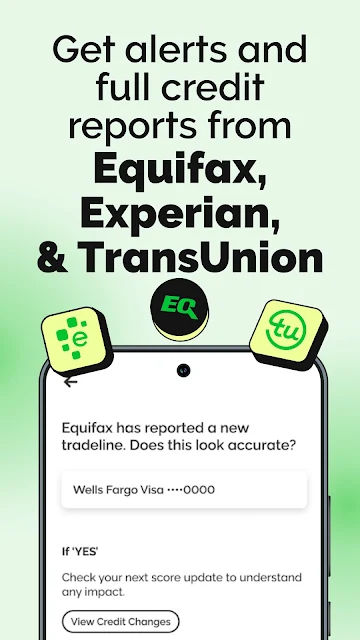
The feature set goes beyond the credit account itself. Kikoff says users can monitor scores at Equifax, Experian, and TransUnion, and can dispute credit errors in the app. I find that combination useful in principle: checking a score and responding to a possible error are related jobs, and keeping them together can make it easier to follow through rather than postponing the next step.
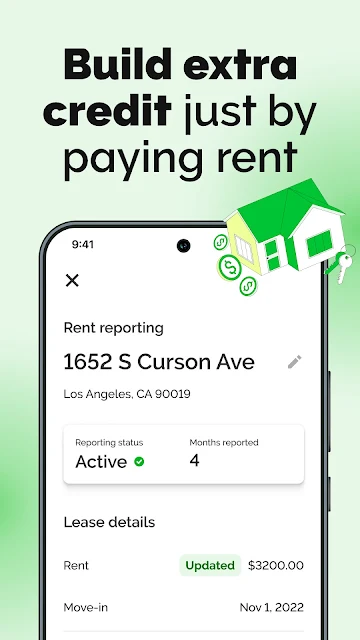
Rent and bill reporting are another distinctive part of the service. These options are meant to let users build credit using rent and utility payments they already make. Premium and Ultimate plans are described as unlocking additional features, including identity theft insurance and higher tradelines. Those plan-specific details are worth reviewing directly, since availability and terms depend on the plan and account.
A practical monthly check-in
A routine I’d use is to check in once a month: review the plan, make sure the payment is handled, and take a look at the score information available in the app. If I pay rent or utilities, I’d separately review whether Kikoff’s reporting options fit those expenses and what conditions apply. Keeping the check-in brief makes it easier to sustain without turning credit tracking into a daily chore.
If something in a credit report looks wrong, the app’s dispute feature gives users an in-app path to address errors. I’d still take time to review what is being disputed and follow the service’s instructions carefully. Kikoff can help put monitoring and reporting actions in one place, but it does not make the underlying credit information or the results predictable. The routine is about staying attentive and consistent.
Limits to keep in mind
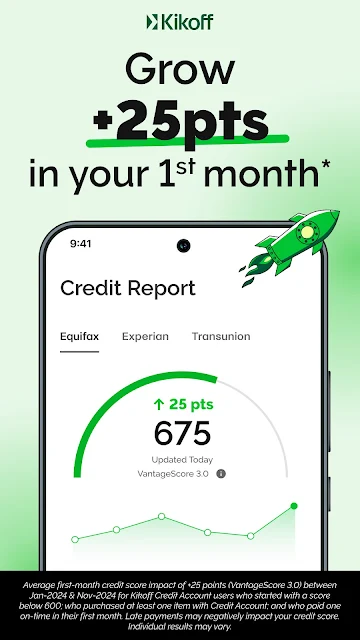
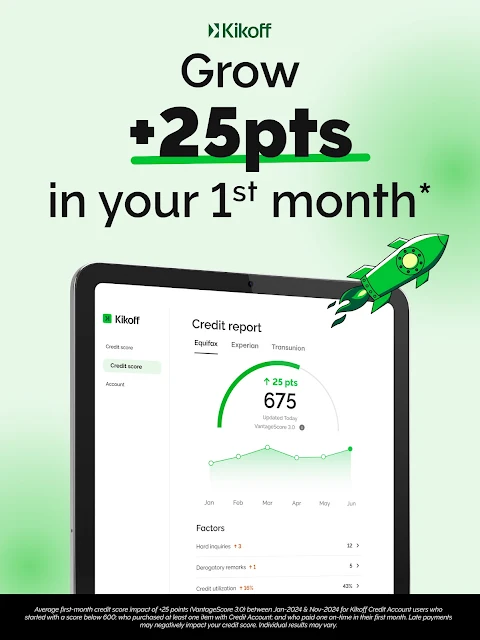
The biggest limit is that credit outcomes are individual. Kikoff reports an average first-month impact for a defined group of users who began below a 600 score and met specific conditions, but that figure is not a promise for every account. Its description also notes that late payments can negatively affect a score. I would approach the service as one possible credit-building tool, not a shortcut or a certain route to a particular result.
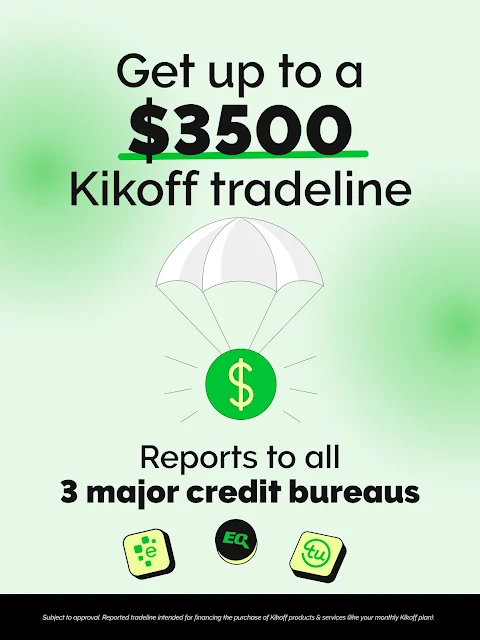
There are also plan and approval details to understand. Kikoff says its specialized credit line is intended for purchases of Kikoff products and services, and that tradelines are subject to approval. Additional features are associated with Premium and Ultimate plans. A user who wants only occasional score access may not need this particular setup, while someone considering it should confirm current pricing, plan features, and account terms before committing.
Kikoff brings credit-building activity, bureau score monitoring, credit-error disputes, and rent or bill reporting into a focused finance app. I like that it gives a user a concrete monthly routine rather than only displaying a score. Its strongest fit is someone who wants to actively work on credit and is prepared to understand the plan and payment terms.
I’d consider trying Kikoff if those tools match your goals, while keeping expectations measured and checking the current service details first. It is not a substitute for broad money management, and no particular score change is assured. For a credit-focused routine in one app, it offers a useful set of options; for a quick score glance alone, it may be more service than you need.
Kikoff Frequently Asked Questions
What is Kikoff: Build Credit Quickly used for?
Kikoff is a finance app for building credit and monitoring credit scores. Its features include a credit-building account, score monitoring across Equifax, Experian, and TransUnion, an in-app way to dispute credit errors, and rent and bill reporting options. Credit-building activity and results depend on account terms, payment history, and individual circumstances.
Which devices can run Kikoff: Build Credit Quickly?
Kikoff is available on Android through Google Play. The minimum Android version is worth checking on the current Google Play page, since compatibility can depend on your device and the app’s current requirements. The available app information describes its Android version and does not establish availability on other platforms.
Does Kikoff: Build Credit Quickly cost money?
The app is free to download, and the supplied Google Play facts say it has no in-app purchases. However, Kikoff describes its Credit Service as starting at $5 per month for 12 months, and additional features are associated with Premium and Ultimate plans. Check the current service terms and Google Play information for details.
Does Kikoff: Build Credit Quickly require a credit check?
Kikoff describes its service as having no credit check and no interest, while also stating that its specialized credit line is subject to approval. Read the current terms for the specific plan or feature you are considering. The app’s description also warns that late payments may negatively affect credit scores.
Who should consider Kikoff: Build Credit Quickly?
It may suit people who want to build credit through a dedicated service and also monitor scores from the three major bureaus. Rent and bill reporting may be relevant to people who already make those payments. It may be less suitable if you only need a score check or want a broader budgeting app. Results vary, so review current plan details before enrolling.
Pros
- Combines credit-building activity with monitoring across Equifax, Experian, and TransUnion.
- Includes in-app credit-error disputes and rent and bill reporting options.
- Free to download, with no ads or in-app purchases reported on Google Play.
- A focused monthly routine may suit users who want credit tools in one place.
Cons
- The service has payment and plan terms despite the free app download.
- Credit score results vary, and late payments may negatively affect credit.
- More specialized than a general budgeting or personal-finance management app.
- Category
- Finance
- Version
- 1.187.3573