Cash App
- 4.53M
- 4.7
- Installs
- 100.00M
- Price
- Free

Screenshots
Analysis by Reviewed APKs
Cash App is a money app for sending and receiving payments, using a customizable debit card, saving, and exploring stocks or bitcoin. I see its appeal for people who want several everyday money tasks in one place rather than a payment app alone. The range is convenient, but it also means this is a financial toolbox, not simply a quick way to split dinner.
A payment for everyday plans
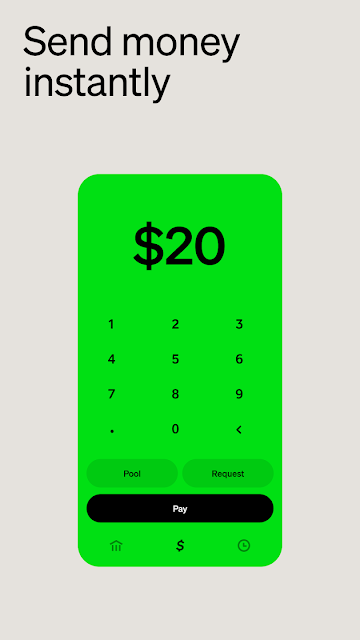
When friends decide to split a meal, the usual routine can involve asking who has cash, finding an ATM, or remembering to settle up later. Cash App gives people another option: send money using a phone number, email address, $cashtag, or QR code. I can picture it fitting into the moment after the bill arrives, when everyone is already looking at their phones and wants to move on with the evening.
The app’s central job is making those person-to-person payments part of a broader money routine. Someone might receive money from a friend, use a Cash App Card for a purchase, or direct part of a paycheck toward savings or investments. I like that these uses sit under one app name. The trade-off is that each financial feature deserves a little attention before I treat the app as a simple payment shortcut.
More than a payment app
Compared with an app focused only on sending money, Cash App reaches further into spending, saving, stocks, bitcoin, and direct deposit. That breadth may suit someone who wants to keep a few everyday financial activities together. The customizable debit card and offers also give it a role at checkout, while the teen option allows eligible 13-to-17-year-olds to use the service with a parent or guardian sponsor.
It is not a replacement for every financial service or a promise that each feature suits every user. The description identifies Cash App as a financial services platform, not a bank, and eligibility rules apply to some benefits. I would not choose it just because I need a standalone investing tool or a conventional bank account. Its strongest case is convenience across several tasks, with the understanding that features have their own terms.
Small habits that help
I would make a habit of checking the recipient details before sending money, especially when using a $cashtag or contact information I have not used before. Cash App describes proactive security features intended to help avoid scams, but a careful pause is still a sensible part of a payment routine. For regular shared expenses, using the same payment method with friends can also make settling up less of a chore.
For people using more than payments, it helps to decide what each part of the app is for. A user might keep the card for purchases, direct part of a paycheck toward savings, and review investments separately rather than treating all balances as interchangeable. Some savings and other benefits are tied to Cash App Green eligibility. Knowing which features have conditions makes it easier to use the app without assuming every benefit applies automatically.
More From Our News Desk

Zoom Meetings, Google Meet, or Teams: Which Is Easiest to Join?

How I Build a Free Streaming Lineup With Tubi

Why Crunchyroll Is the Default Anime App for So Many Fans
YouTube TV: A Practical Guide to Cutting Cable

Rummikub and the Small Comfort of Phone Games
TeamViewer Remote Control or AnyDesk for Helping Family?
Who may find it useful
I would recommend Cash App to people who regularly pay friends or family and like the idea of pairing those transfers with a debit card and optional money tools. The teen sponsorship option may also interest families looking for a way for a teenager to use the service with a parent or guardian involved. Its combination of payments, card spending, savings, stocks, and bitcoin is the main reason to consider it over a narrower app.
It may be less appealing if you want only a bare-bones payment tool, or if you prefer to keep investing and everyday transactions in separate services. Users should also be comfortable reviewing eligibility and terms rather than assuming features such as interest, overdraft coverage, or free ATM withdrawals apply to everyone. I would approach the app as a convenient collection of financial services, not as a one-size-fits-all account.
Cash App is a finance app from Block, Inc. On Google Play it has over 100 million installs and a 4.7-star rating from about 4.5 million ratings. It is free to download, and the store information says it contains ads. Its content rating is Mature 17+. The listed release date is October 15, 2013.
The current version is shown as varying by device, and the minimum Android requirement is not included in the supplied app facts. The listed last update is October 30, 2026. Cash App describes a range of financial services, some of which have eligibility requirements or terms; the app’s free download should not be taken as a statement that every service or transaction has identical costs.
A closer look at daily money tasks
Getting started
My first impression is that Cash App wants to cover more than one moment in a person’s financial life. Its core promise is easy to grasp: send and receive money, then use other tools for spending, saving, or investing if they fit. That breadth is useful, though it also makes the app feel like a place where I should take a moment to understand what I am choosing.
I would start with the task I actually need, such as paying a friend, and get comfortable with that before exploring the rest. The description supports using a phone number, email, $cashtag, or QR code to pay people. It also outlines card, savings, stock, bitcoin, and direct-deposit options. I would treat those as separate choices rather than assuming setup for one automatically handles the others.
Payments in daily life
For a routine payment, the practical draw is having several ways to identify the person receiving money. A QR code can suit an in-person exchange; a phone number or email may feel more natural when coordinating remotely. Cash App says transfers are instant and free, making it sound particularly suited to quick peer-to-peer situations such as sharing a meal cost or repaying someone.
The ease of sending is exactly why I would build in a brief recipient check. A payment app is most useful when it reduces friction without encouraging careless taps. Cash App describes proactive security features designed to help avoid scams, but I would still pay attention to who is being paid. That small pause is especially worthwhile when a request arrives unexpectedly or the recipient details are unfamiliar.
A card and money tools
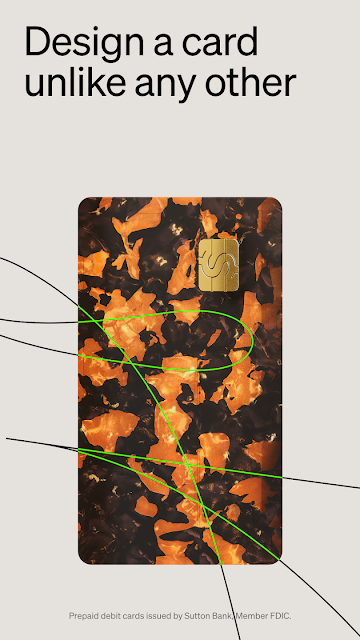
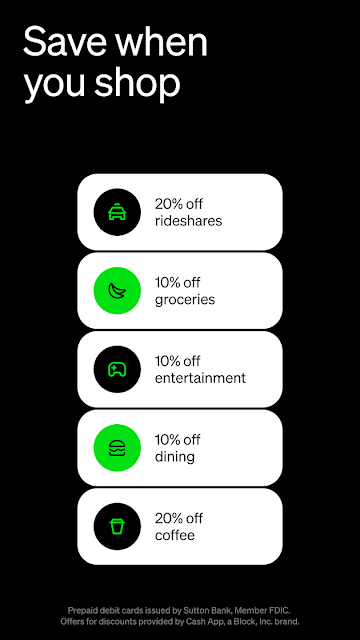
The Cash App Card gives the app a place in ordinary spending, not just transfers between people. It is described as a customizable debit card that works where Visa is accepted and with Apple Pay, Google Pay, and digital wallets. Real-time alerts and exclusive offers are also part of the card description. Those details make it plausible as a way to use an app balance for purchases.
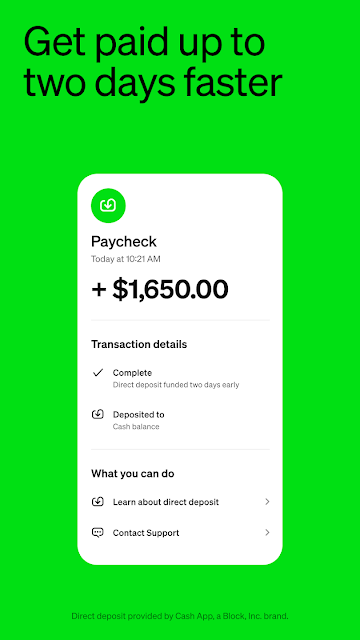
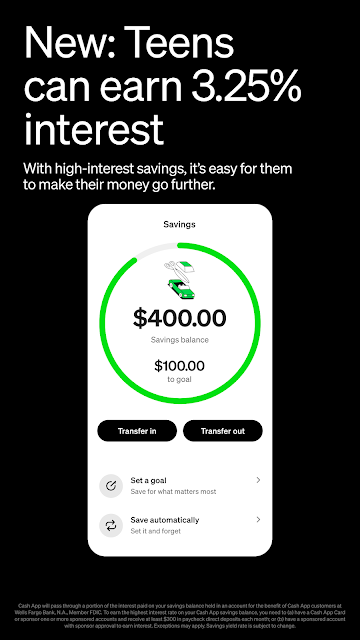
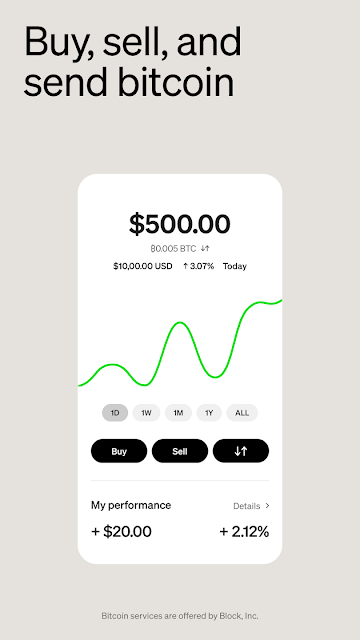
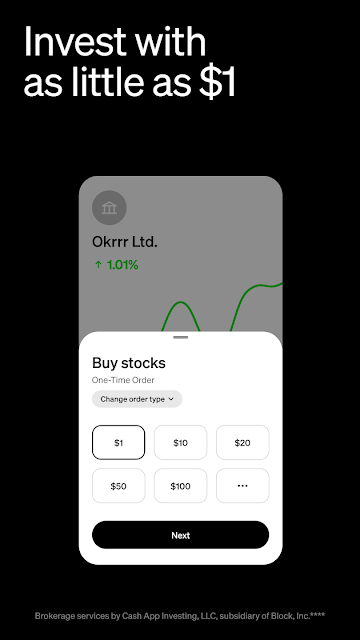
Beyond spending, Cash App describes savings features, including round-ups and the option to direct part of a paycheck toward savings, stocks, or bitcoin. It also says users can buy stocks or bitcoin starting with as little as one dollar. These are distinct financial activities, not merely extensions of sending a friend money, so I would review their terms and suitability on their own merits.
A simple weekly routine
A practical routine could begin with a quick check before paying someone: confirm the recipient, the amount, and what the payment is for. After that, the app’s wider tools can be considered on a schedule that makes sense to the user. For example, someone receiving a paycheck might decide whether to allocate part of it to savings or another listed destination rather than making that decision on impulse.
I would keep an eye on which benefits have requirements. Cash App says Cash App Green qualification can depend on qualifying purchases or deposits, and eligibility restrictions apply to some benefits. That matters for features such as savings interest, overdraft coverage, and free in-network ATM withdrawals. A periodic review helps separate the tools I actually use from benefits I may not qualify for.
Limits and fine print
The app’s range is also its main limitation: someone who only wants to send occasional payments may find the wider collection of money features unnecessary. The description includes banking-related services but explicitly says Cash App is a financial services platform, not a bank. Banking services are provided by partner banks, and card issuance and investment services have their own stated providers and terms.
Some appealing benefits are conditional, and the description calls out eligibility restrictions. The app’s claims about interest, overdraft coverage, and ATM access should therefore be read alongside the relevant terms rather than treated as universal. Investing and bitcoin also carry their own disclosures, and availability can vary by location for bitcoin services. I would use the app’s breadth as a convenience, not as a reason to skip the details.
Cash App makes the most sense to me as a flexible everyday money app: payments are the clear starting point, while the card, savings, stocks, and bitcoin options broaden its reach. I like the choice, but I would take time to understand the conditions attached to individual services rather than assuming the whole package works the same way for everyone.
I would recommend trying it if you often send or receive money and want optional spending and money-management tools nearby. If you only need occasional transfers or prefer to keep financial services separate, its extra breadth may not add much. Either way, a careful recipient check and a look at feature terms are worthwhile habits.
Cash Frequently Asked Questions
What is Cash App used for?
Cash App is used to send and receive money using a phone number, email, $cashtag, or QR code. It also offers a customizable debit card, savings features, stock and bitcoin services, and direct deposit options. Which features are useful will depend on what you need and on the eligibility requirements attached to some benefits.
Which devices can run Cash App?
Cash App is an Android app available through Google Play. The supplied information does not specify a minimum Android version, and requirements can vary as the app changes. Check the Google Play store page on your device for the current compatibility details before installing.
Does Cash App cost money?
The app is free to download, and the supplied store facts say it contains ads and has no in-app purchases. That does not mean every financial service or transaction has the same terms. Some benefits have eligibility conditions, and users should check the current Google Play information and applicable service terms for details.
Does Cash App include a bank account?
Cash App describes itself as a financial services platform, not a bank. Its description says banking services are provided by partner banks and that card and investment services have their own providers and terms. It offers features such as direct deposit and savings, but users should review the relevant terms to understand how each service works.
Is Cash App suitable for teenagers?
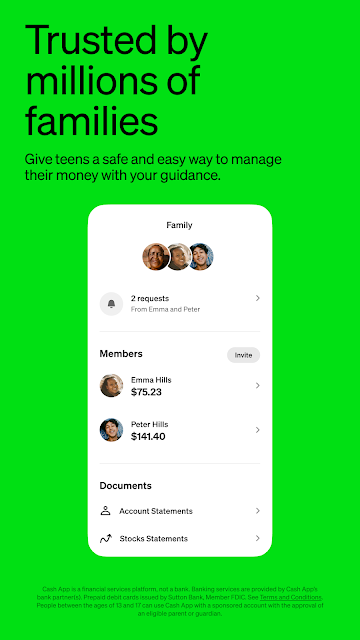
Cash App says teens ages 13 to 17 can use it when sponsored by an eligible parent or guardian. The description mentions a personalized debit card, extra security features, and parental controls for sponsored teens. Eligibility requirements apply, so families should review the current terms before deciding whether the service is suitable.
Pros
- Combines person-to-person payments with card spending, savings, stocks, and bitcoin options.
- Payments can use a phone number, email, $cashtag, or QR code.
- The customizable debit card works with digital wallets, including Apple Pay and Google Pay.
- Sponsored teen accounts include parental controls and extra security features.
Cons
- The broad mix of financial services may feel excessive for occasional payments.
- Some benefits depend on Cash App Green qualification and other eligibility conditions.
- Investment and bitcoin services come with separate terms and disclosures.
- Category
- Finance