Flexpay
- 543
- 3.7
- Installs
- 100.00K
- Price
- Free

Screenshots
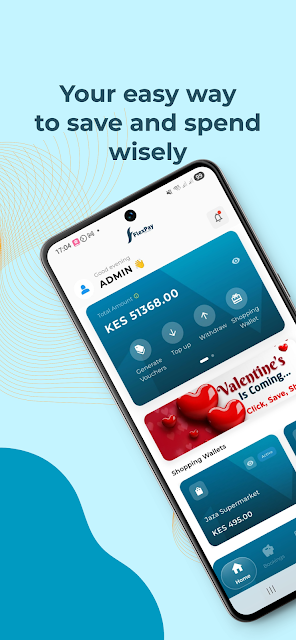
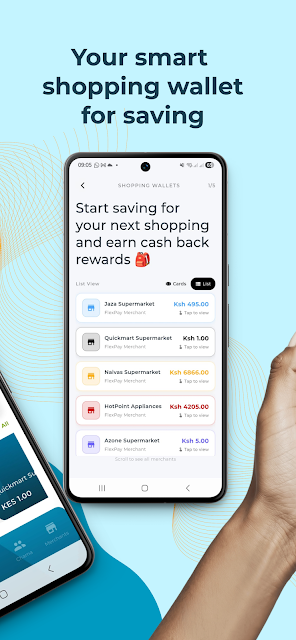
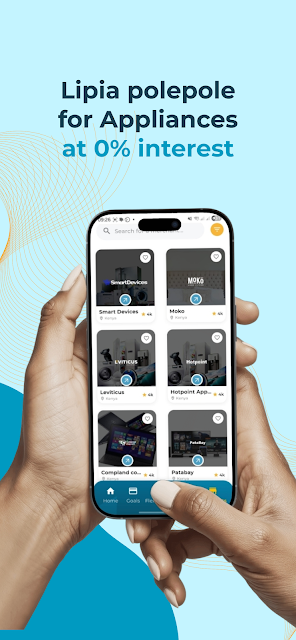
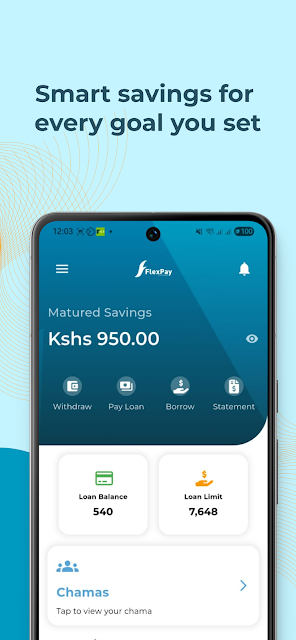
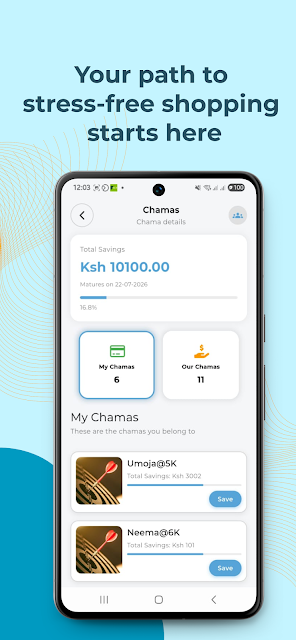
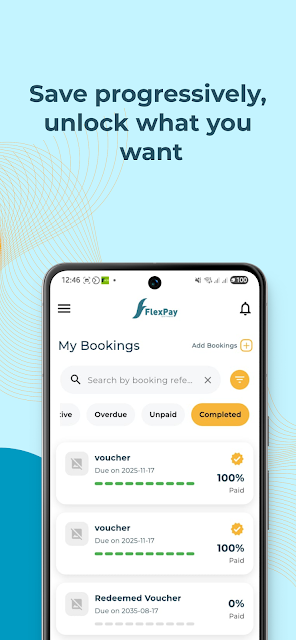
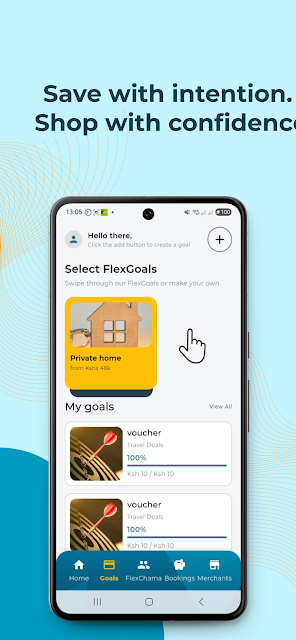
Analysis by Reviewed APKs
Flexpay is a finance app built around saving for a purchase before buying it, rather than borrowing to pay later. Its Save Now, Buy Later approach may suit people who prefer to set money aside and build a saving habit while planning a purchase. I like the idea of a credit-free alternative to buy-now-pay-later, though its usefulness depends on the merchants and products available to you.
Saving Toward a Purchase
When I think about using Flexpay, the clearest scenario is planning for something I want but do not need to buy today. Instead of treating the purchase as a bill to repay later, the app is designed around saving first and buying after. That changes the rhythm: I would be putting money aside toward a goal, then making the purchase when my savings have reached the amount needed.
That approach could fit a routine purchase or a larger planned expense across the different kinds of products and services Flexpay supports. The distinctive promise is that customers are rewarded when they save, so saving is part of the purchase experience rather than a separate budgeting task. I find that framing practical: it keeps the focus on preparing for an expense without relying on credit to complete it.
A Different Kind of Payment App
Flexpay is not presented as a conventional buy-now-pay-later service. Those products typically let someone take an item home or use a service before paying the full cost; Flexpay instead centers the process on saving toward the purchase first. For someone who would rather avoid borrowing, that distinction is the main reason to consider it. The app describes this model as merchant-embedded, connecting saving with purchases across multiple verticals.
I would not approach Flexpay as a general expense tracker, bill-splitting tool, or everyday payment wallet based on its stated purpose. Its job is more focused: help make purchases more affordable through saving, while encouraging positive financial habits. That focus may be less appealing if you need an immediate purchase or want to divide an existing bill. It is best understood as a purchase-planning option, not a replacement for every money app.
Make Saving a Small Habit
The most natural way to get value from a save-first service is to connect it with something I already plan to buy. I would start with a purchase that has a clear purpose, then treat the saving period as part of deciding when I am ready to spend. That makes the goal easier to keep in mind than a vague intention to save more, without turning every shopping decision into a rushed one.
I would also keep expectations grounded: a reward for saving is part of Flexpay's stated approach, but the available details do not spell out how rewards work in every situation. Before building a routine around a particular purchase, I would check what merchants and products are available and review the terms shown in the app. The useful habit is the saving itself; the reward is an extra part of the proposition.
More From Our News Desk

Zoom Meetings, Google Meet, or Teams: Which Is Easiest to Join?

How I Build a Free Streaming Lineup With Tubi

Why Crunchyroll Is the Default Anime App for So Many Fans

YouTube TV: A Practical Guide to Cutting Cable

Rummikub and the Small Comfort of Phone Games

TeamViewer Remote Control or AnyDesk for Helping Family?
Who Might Like Flexpay
I would recommend taking a look at Flexpay if you prefer to save before buying and want a purchase-based reason to stick with that plan. Its credit-free positioning may appeal to people who do not want to borrow for a planned purchase. The merchant-embedded approach also makes it most relevant when the products or services you have in mind are available through the app's participating options.
It may be a poor fit if you need something immediately, expect a standard installment loan, or mainly want tools for tracking all household spending. The central idea is straightforward, but it relies on having enough time to save and finding a suitable purchase in the supported range. I would treat it as one possible way to plan spending, rather than a universal financial toolkit or a substitute for deciding what is affordable.
Flexpay is a finance app from FlexiTech Group Limited. Google Play shows more than 100,000 installs and a 3.7-star rating from 543 ratings. It is free to download, and the supplied store facts indicate no in-app purchases and no ads. Its content rating is Everyone, which gives a basic sense of its intended audience but does not describe the financial terms of any purchase.
The app was released on November 20, 2020. Its version is shown as varying with device, so there is no single version number to quote. The available facts do not specify an Android minimum or a latest update date. I would check the Google Play page on the device I plan to use for current compatibility and release information.
A Purchase Plan Built Around Saving
A Clear First Impression
When I first considered Flexpay, the clearest part of its pitch was the reversal of the usual pay-later sequence. The app is about saving toward a product or service before buying it, with the aim of making purchases more affordable. That is a simple premise to understand, even if the practical value depends on which merchants and purchase categories are available to me.
I would begin by deciding whether I have a future purchase that fits this model, rather than opening the app expecting a full suite of money-management tools. Flexpay is described as merchant-embedded, so its role is tied to buying across multiple verticals. That focus gives the experience a defined purpose, but it also means the app makes most sense when I already have a goal in mind.
The Day-to-Day Idea
The day-to-day appeal is less about managing a string of repayments and more about steadily preparing for a purchase. If I wanted a product or service that could wait, I could use the save-first idea to make the eventual expense feel more planned. Flexpay says it rewards customers when they save, which gives the saving step a direct connection to the purchase rather than leaving it as an abstract goal.
That also changes what I would expect from the app. I would not judge it by whether it handles every routine transaction, but by whether its saving-based purchase option fits the purchase I have in mind. The approach may encourage a more deliberate pace, though it cannot make an unaffordable item affordable by itself. I would still want to consider the total cost and the time needed to save.
The Save-First Difference
The standout feature is the Save Now, Buy Later model, often shortened to SNBL. Flexpay positions it as an alternative to buy-now-pay-later: customers save toward a purchase instead of using credit to buy immediately. That makes the sequence itself the key feature. The app's description says the model is intended to increase affordability across multiple verticals while helping users build positive financial habits.
The reward for saving is another part of the proposition, though I would avoid assuming what a reward looks like or how it is calculated without checking the details provided for a specific purchase. The concept is appealing because it makes saving feel connected to an outcome. In practical terms, the experience is most compelling for someone who can wait, has a defined purchase in mind, and prefers a credit-free route.
A Practical Purchase Routine
A sensible routine would start outside the app: I would decide what I am saving for and whether it is something I genuinely plan to buy. Then I would see whether Flexpay supports that kind of product or service and review the purchase information available. This order keeps the goal clear and avoids treating the existence of a saving option as a reason to spend.
Once I had a suitable goal, I would check in on the plan as part of my normal money routine and keep the purchase timing flexible. The app's stated model rewards saving, but the exact terms matter, so I would read them before relying on a particular outcome. This is a modest workflow, not a complicated budgeting system: choose a goal, save toward it, and buy only when the plan works for me.
Limits to Keep in Mind
The biggest limitation is built into the concept: saving first takes time. That can be a benefit if I want to avoid credit and plan ahead, but it will not solve an urgent need to buy something right away. The merchant-embedded model also means Flexpay's usefulness depends on whether the purchase I want falls within its available products and services.
I would also keep the app's scope in perspective. Its stated purpose is saving toward purchases, not comprehensive spending management, and the available description does not explain every detail of how rewards or individual purchase arrangements work. I would check the terms and options shown for a particular purchase instead of assuming every category works the same way. Those are reasonable checks for any purchase-focused finance service.
Flexpay offers a clear alternative for people who would rather save toward a purchase than borrow to make it now. I appreciate that its core idea gives saving a practical target and connects the habit with a planned product or service. Its appeal is focused, not universal, and depends on having time to save and finding a suitable merchant option.
I would consider Flexpay if I had a purchase in mind and wanted a credit-free way to work toward it. I would not choose it as my main expense tracker or for a purchase I needed immediately. Before committing to a plan, I would check the available options and terms in the app. For patient, goal-based shoppers, the premise is worth a closer look.
Flexpay Frequently Asked Questions
What is Flexpay used for?
Flexpay is designed for Save Now, Buy Later purchases. It connects saving with buying products or services, so the customer saves toward a purchase before making it rather than using the app as a general payment wallet. The description says customers are rewarded when they save and presents the approach as a credit-free alternative to buy-now-pay-later.
Which devices can run Flexpay?
Flexpay is an Android app available through Google Play. The supplied facts do not give a minimum Android version, so compatibility may vary by device. Check the Google Play page on the device you plan to use for the current requirements and availability before installing.
Does Flexpay cost money?
Google Play identifies Flexpay as free to download, with no in-app purchases and no ads in the supplied store facts. The save-to-buy approach relates to purchases of products or services, so review the terms and costs shown for the specific purchase you are considering. Those details may vary by merchant or option.
Does Flexpay use credit or installments?
Flexpay describes its model as credit-free: users save toward a purchase before buying, rather than using credit to buy immediately. It is positioned as an alternative to buy-now-pay-later. The exact process and terms can depend on the purchase, so check the information presented for the product or service you have in mind.
Who is Flexpay best suited to?
Flexpay may suit people who can plan ahead, want to save for a particular purchase, and prefer a credit-free approach. It may be less useful if you need to buy something immediately or want a broad tool for tracking everyday expenses. The app's fit also depends on whether its available merchant options include the product or service you want.
Pros
- A clear save-before-buying alternative to conventional buy-now-pay-later.
- Connects a saving habit with planned purchases across multiple verticals.
- Free to download, with no ads or in-app purchases shown.
Cons
- Saving first takes time, so it may not suit urgent purchases.
- Its usefulness depends on finding a suitable product or service option.
- The stated purpose is narrower than a general spending-management app.
- Category
- Finance