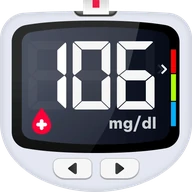
Blood Sugar - Diabetes App
- 67.74K
- 4.5
- Installs
- 10.00M
- Price
- Free
Screenshots
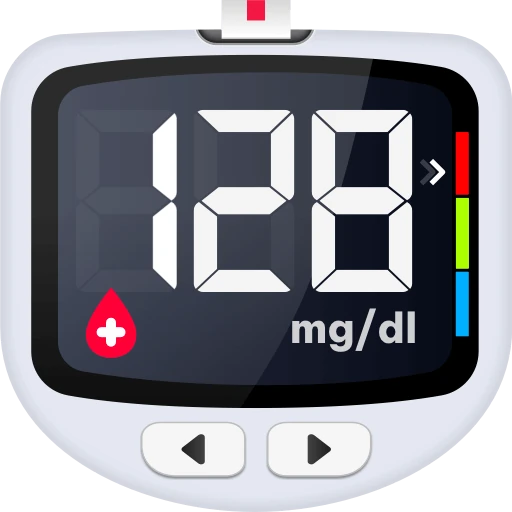
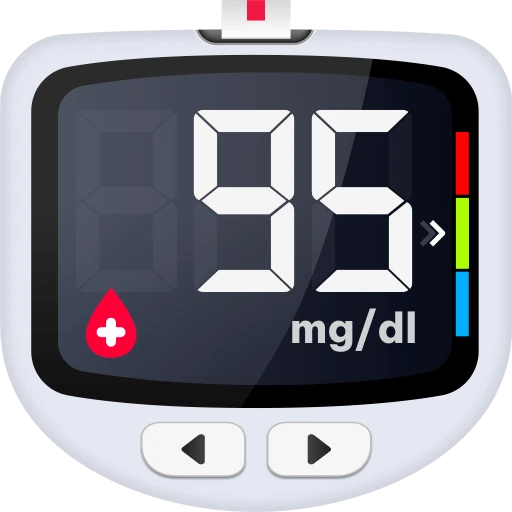
Analysis by Reviewed APKs
Blood Sugar - Diabetes App is a manual glucose log for people who want to keep readings, review patterns and have records ready to share. I see it as a practical companion to a meter and a regular care routine, not a device that measures glucose or a substitute for medical guidance. Its charts, tags and export options make it useful for people who value a little more order in their tracking.
A reading after dinner
When I picture using the app, it is after an ordinary meal, when I have a reading from my own glucose meter and want to record it before I forget. I can enter the value, add a tag such as after a meal, and leave a note about the circumstances. That turns a number into a more useful diary entry, without reaching for paper or trying to reconstruct the details later.
After several entries, the chart gives me a way to look back at the readings rather than treating each one as an isolated result. I can review the history and see how values have changed over time, with tags helping distinguish fasting readings from measurements taken around meals or medication. The app’s analysis may help explain recorded values, but I would treat it as context for discussion, not as a diagnosis.
A log, not a meter
Compared with a notebook, this app offers searchable-looking history, charts, unit conversion and a report export in one place. Compared with a glucose meter, it does a different job: it stores readings that I enter, but it does not measure blood sugar. That distinction matters. The value of the app depends on recording measurements from an appropriate source and keeping the entries accurate.
It is also not a full medical service or a replacement for a clinician’s advice. Its reading analysis and health information can offer useful background, while the charts and reports help organize a personal record. I would not use a general-purpose tracking app to make treatment decisions on its own. People looking for automatic readings or medication alerts should check the actual feature set carefully; the described tools focus on logging, tagging, reviewing and sharing.
Make entries more useful
A small habit makes this kind of tracker work better: enter the result close to the time you take it. I would add a simple tag right away, such as fasting or after a meal, rather than depending on memory at the end of the day. The app allows custom tags, so the labels can reflect the situations that matter in an individual tracking routine.
I would also settle on one unit and use the conversion option only when needed. Blood Sugar - Diabetes App supports mg/dL and mmol/L, and can switch between them. Every so often, reviewing the chart and exporting a historical report could make a routine appointment easier to prepare for. Backup and restore are useful to remember when changing devices, so the record can follow along.
More From Our News Desk

Zoom Meetings, Google Meet, or Teams: Which Is Easiest to Join?

How I Build a Free Streaming Lineup With Tubi

Why Crunchyroll Is the Default Anime App for So Many Fans

YouTube TV: A Practical Guide to Cutting Cable

Rummikub and the Small Comfort of Phone Games

TeamViewer Remote Control or AnyDesk for Helping Family?
Who may find it useful
I’d recommend Blood Sugar - Diabetes App to someone who already measures glucose and wants a straightforward place to keep readings, labels and trends together. It may suit people who like to look back at their own history, distinguish readings by context and bring an exported report to a conversation with a doctor. Its focus is practical record keeping rather than complicated automation.
It may not suit someone expecting the phone to measure glucose, automatically collect readings, or provide personalized clinical care. The app depends on manual entries, so it asks for a little consistency from the user. I’d also suggest keeping expectations measured around its analysis: charts and general health information can help organize questions, but decisions about care belong in a conversation with a qualified professional.
Blood Sugar - Diabetes App is developed by QR Code Scanner. On Google Play, it has over 10 million installs and a 4.5-star rating from around 67,700 ratings. The app is free to download and contains ads; the supplied store facts show no in-app purchases. Its content rating is Everyone.
The supplied facts identify version 1.3.9, a release date of June 20, 2022, and an update date of October 14, 2026. No minimum Android version is provided in the available app facts, so check Google Play on your device for compatibility details. The app is in the Health & Fitness category.
Turning Glucose Entries Into a Routine
A simple first impression
The central idea is easy to grasp: enter a blood glucose result, add context, then use the history to review it later. I like that the app is organized around a real tracking task rather than presenting itself as a glucose sensor. If I were setting it up for a regular routine, I would first choose the unit I normally use and decide which tags I want to apply consistently.
The first useful step is to make an entry from a reading taken elsewhere. The app’s job is to preserve that information in a record, not produce the measurement itself. That makes the setup less about connecting a phone to a sensor and more about building a reliable habit of recording values and the circumstances around them.
The daily tracking loop
Day to day, the workflow is deliberately familiar: record a result, label it, and return to the history when I want a broader view. Tags can distinguish situations such as before or after a meal, fasting, or taking insulin. Custom labels also leave room for notes that make sense to the person keeping the log, rather than forcing every entry into a single generic category.
Over time, clear graphs give the log a visual dimension. Instead of scrolling through individual numbers, I can use the chart to review how readings have moved. That can make patterns easier to notice, but a graph is still a presentation of the entries I supplied. Inaccurate or missing entries will limit how helpful the overall picture can be.
Useful tools beyond logging
The standout features are the ones that make a personal record easier to interpret and share. Blood Sugar - Diabetes App offers reading analysis, charts, custom tags, unit switching, historical report export, and backup and restore. The description also includes blood sugar knowledge and general advice related to managing or preventing diabetes. Together, these tools make it more than a bare list of numbers.
I particularly value the export option as a practical bridge between personal tracking and a healthcare conversation. Rather than trying to recall a month of results from memory, a user can prepare a historical report to share with a doctor. Backup and restore are similarly useful for continuity when changing devices. These are record-management aids, not a promise of a particular health outcome.
A routine that sticks
A workable routine might be to enter each reading shortly after taking it, add one or two relevant tags, and review the chart at a time that already fits the week. Keeping labels consistent is more helpful than inventing a new description for every entry. If a result was taken before breakfast, for example, using the same fasting label each time makes later comparisons easier to follow.
Before an appointment, I would export the historical report and check that the entries cover the period I want to discuss. The app can also switch between mg/dL and mmol/L, which is handy when the preferred unit differs from the one currently displayed. I would avoid changing units casually mid-review; consistency makes a personal log easier to read.
Keep expectations grounded
The biggest limitation is also the key point to understand: the app does not measure blood sugar. A user needs readings from another source and must enter them. That means the convenience of having a history depends on remembering to log values, and the charts can only be as complete as the information provided.
The app’s analysis and educational material should be treated as general support, not individualized medical judgment. It can organize information and help a user prepare questions, but it cannot replace professional advice. Google Play ratings and install figures suggest many people have tried it, yet popularity alone does not tell me whether its workflow will fit a particular person’s needs.
Blood Sugar - Diabetes App has a clear role: it helps turn manually entered glucose readings into a tagged history, charts and shareable reports. I like that it supports two common units and includes backup and restore, while staying focused on tracking rather than claiming to take measurements.
I’d try it if I wanted a simple companion to an existing meter and was willing to log consistently. I would look elsewhere if I expected automatic measurement or clinical guidance. Used with sensible expectations, it can make personal records easier to maintain and review.
Blood Sugar Frequently Asked Questions
What is Blood Sugar - Diabetes App used for?
Blood Sugar - Diabetes App is used to record and review blood glucose readings entered by the user. It supports tags for measurement context, charts, reading analysis, unit conversion, historical report export, and backup and restore. It does not measure glucose itself, so readings need to come from another source.
Which phones and devices support Blood Sugar - Diabetes App?
The supplied platform information identifies Blood Sugar - Diabetes App as an Android app available through Google Play. No minimum Android version is included in the app facts here, and compatibility can vary by device. Check the Google Play listing on the phone you plan to use for current requirements.
Does Blood Sugar - Diabetes App cost money?
The app is free to download and the supplied facts indicate that it contains ads, with no in-app purchases shown. Store details can change over time, so check Google Play for the current cost and any purchase information before installing.
Can Blood Sugar - Diabetes App measure glucose?
No. Blood Sugar - Diabetes App is a tracking aid, not a glucose-measuring device. It stores readings that you enter, then provides ways to review values and trends. You need to obtain the measurements separately, and the app’s analysis should not be treated as a substitute for medical advice.
Who is Blood Sugar - Diabetes App best suited to?
It may suit people who already take glucose readings and want to keep a tagged history, view charts, or export records to share with a doctor. It may be less suitable for anyone seeking automatic measurement or individualized medical care. Its usefulness depends on regularly entering accurate readings.
Pros
- Custom tags help distinguish fasting, meal-related and other reading contexts.
- Charts make recorded glucose history easier to review over time.
- Historical reports can be exported to share with a doctor.
- Supports mg/dL and mmol/L, plus backup and restore.
Cons
- It does not measure glucose; users must enter readings themselves.
- Charts and analysis depend on complete, accurate manual records.
- Contains ads, which may interrupt a focused tracking routine.
- Category
- Health & Fitness
- Version
- 1.3.9