VeryFit
- 167.41K
- 4.4
- Installs
- 10.00M
- Price
- Free

Screenshots
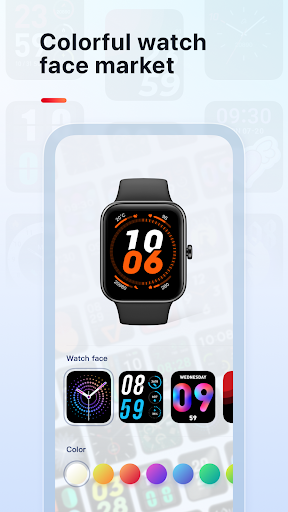
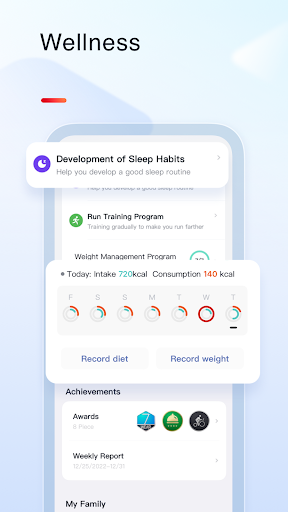
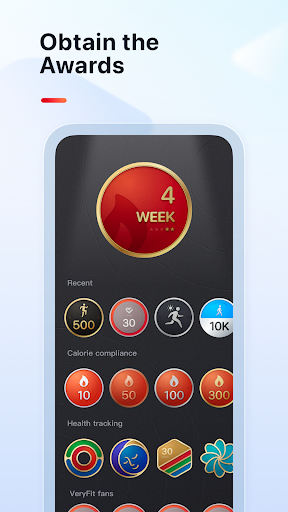
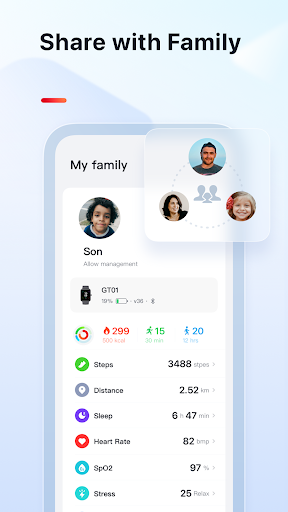
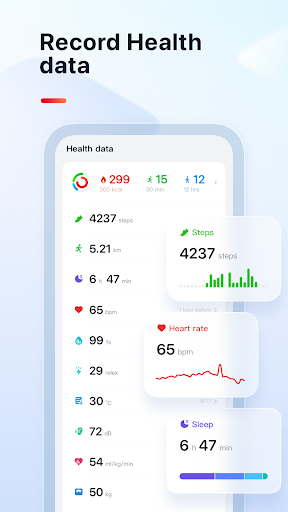
Analysis by Reviewed APKs
VeryFit is a companion app for compatible smartwatches and bands, bringing activity, workout and rest information together with everyday reminders. I see it as a practical fit for someone who already owns a supported wearable and wants a simple place to review its data. It covers several wellness basics, but it depends on the watch and is not a standalone fitness tracker or medical tool.
A Day With Your Watch
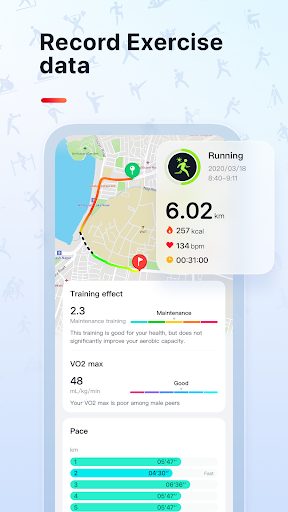
Picture an ordinary weekday: I put on a compatible band in the morning, glance at its activity readings during the day, and open VeryFit in the evening to review steps, distance, active time and estimated calories. The app can turn those readings into daily, weekly and monthly summaries, so one quiet day does not have to define the whole picture. Workout records and activity goals give the numbers a little more context.
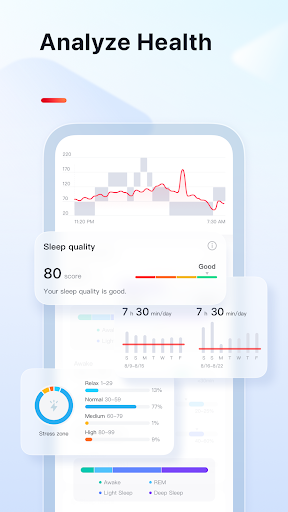
The same companion role carries into rest and small routines. If the watch records sleep, VeryFit can show sleep duration and stages such as light, deep and REM sleep, along with simple trends. I could also set a water reminder or activity reminder in the app, then let the wearable prompt me later. It is a tidy way to connect a few daily signals, provided the compatible hardware is already part of the routine.
Companion, Not Coach
Compared with checking a watch screen alone, VeryFit gives its readings a broader home: activity summaries, workout records, sleep information and selected wellness measurements all sit within its companion experience. It also handles practical wearable extras, including call and SMS notifications and reminders. That makes it more of a day-to-day dashboard than a single-purpose step counter, especially for people who want to review patterns rather than just glance at a number.
The important distinction is that VeryFit needs a compatible smartwatch or band to provide its monitoring functions. It cannot independently measure activity or sleep without that hardware, and it is not a food diary, meal planner or weight-loss program. Its health-related readings are for general fitness and wellness reference, not diagnosis or treatment. If someone wants coaching, clinical guidance or tracking without a wearable, this is not the right kind of app.
Small Habits That Help
I would get the most from VeryFit by checking it at predictable moments instead of chasing every reading. A quick morning look at sleep, followed by an evening review of activity, is enough to make weekly trends feel more useful than isolated figures. Setting a realistic daily activity goal can give the watch a clear target, while weekly and monthly summaries help put progress in perspective without turning every day into a test.
Reminders are another way to make the companion app earn its place. I might use an activity reminder during a long stretch at a desk, a water reminder during a busy afternoon, and an alarm synced between app and device. Call and message alerts can help me check who is trying to reach me without immediately picking up my phone. These are modest conveniences, but together they can make the wearable feel more connected to ordinary routines.
More From Our News Desk

Zoom Meetings, Google Meet, or Teams: Which Is Easiest to Join?

How I Build a Free Streaming Lineup With Tubi

Why Crunchyroll Is the Default Anime App for So Many Fans

YouTube TV: A Practical Guide to Cutting Cable

Rummikub and the Small Comfort of Phone Games
TeamViewer Remote Control or AnyDesk for Helping Family?
Who Might Like VeryFit
I would recommend VeryFit to people who already use a compatible smartwatch or band and want one app for routine activity and rest summaries. It suits casual walkers, people building a more consistent activity habit, and anyone who likes seeing wearable readings over a week or month. The reminder and notification options may also appeal to someone who wants a few useful prompts and phone alerts on their wrist.
It may not suit someone without a compatible wearable, since the core monitoring depends on the device. Nor would I choose it as a source of medical answers, a food logging tool or a structured weight-loss program. People who prefer not to enter personal measurements such as height or weight can simply avoid that optional information; those details support activity estimates rather than clinical assessment.
VeryFit is a Health & Fitness app from Smart Wearable Devices. On Google Play, it has over 10 million installs and a 4.4-star rating from around 167,000 ratings. The app is free to download, contains no ads, and offers in-app purchases. Those purchases are priced from $0.49 to $39.99 per item.
Google Play gives VeryFit an Everyone content rating. The current version is 3.6.4; it was released on September 17, 2020, and its last update was November 1, 2026. VeryFit requires a compatible smartwatch or band for its health and fitness monitoring features. The Android version requirement is not included in the available app details, so check Google Play for the requirement that applies to your device.
How VeryFit Fits Everyday Wear
Starting With the Wearable
My first impression is that the name tells the story: VeryFit is meant to sit alongside a watch or band, not replace one. Before expecting activity charts or sleep summaries, I would make sure the wearable is a compatible model. The app supports multiple smartwatch models, including the VeryFit watch series, but the exact readings available depend on the hardware.
Once a compatible device is in the picture, the app’s job is to gather its information and present it as a daily fitness companion. Some personal setup is optional: users can enter height and weight, which are used to estimate calories burned and calculate activity-related statistics. I like that this purpose is specific; it is not presented as food tracking or a broad weight-management program.
The Daily Check-In
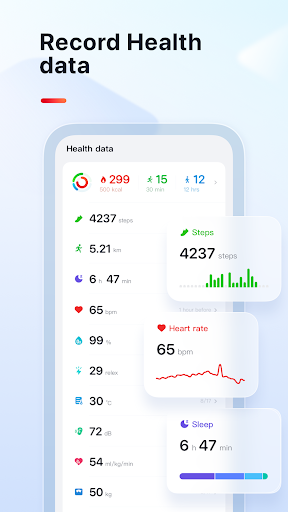
The day-to-day experience is built around wearable data such as steps, distance, active time, calories burned and heart rate. VeryFit organizes activity into daily, weekly and monthly summaries, alongside workout records and goals. That structure is useful when I want to know whether I have been moving consistently, rather than treating one step total as a complete account of my fitness.
A quick check can be enough. I can look at the day’s activity, then return later to see how the workout record or overall summary fits with the rest of the week. What matters is keeping expectations sensible: the app reads measurements from the corresponding wearable, and those readings are intended for general fitness reference. They are not a substitute for medical assessment.
Beyond Steps and Workouts
Sleep tracking adds a different angle to the activity view. When supported by the watch, VeryFit reads sleep duration and stages such as light, deep and REM, then presents summaries and simple trends. I would treat that as a broad look at rest rather than a precise explanation of why I slept well or poorly. The app explicitly frames this information as general wellness, not diagnosis of sleep disorders.
Some other measurements also depend on the watch. If supported, the app can display an estimated stress level based on sensor data, such as heart rate variability, and blood pressure readings from the device. There is also an optional menstrual cycle reminder feature. These functions are not medical services, and their availability is tied to the wearable and the user’s choices.
The practical extras are easy to understand: call alerts and SMS notifications can appear on the watch, and the app offers alarms, activity reminders, water reminders and exercise reminders. SMS replies from the watch are also described as available, with authorization required. I would think of these as convenience tools around the fitness data, not as the reason to buy a wearable.
A Routine That Sticks
A simple routine is likely to work better than constant checking. I would use the watch during the day, let any chosen activity or water reminders do their job, and open VeryFit once in the evening to review the day. At the end of the week, I could check the broader summary and decide whether the activity goal still feels reasonable. That makes the app a record of habits, not a source of pressure.
For rest, a morning check of the previous night’s duration and stages can add context to how the day feels. I would avoid drawing big conclusions from a single night, since the app offers simple trends and general wellness information. The same measured approach applies to estimated stress or blood pressure readings: note what the compatible device reports, but do not treat the app as a clinical interpretation.
Notifications can fit around that routine without requiring a separate fitness check. A call alert or SMS on the wrist may be handy when my phone is in a bag, while a synced alarm can keep a reminder close by. The value is in choosing only the prompts I will actually use; too many reminders can turn a helpful companion into background noise.
Keep Its Limits in View
The biggest limitation is also the clearest requirement: VeryFit relies on a compatible smartwatch or band for its monitoring features. Without the relevant device, it cannot independently supply the activity, heart-rate or sleep readings described here. Even with a wearable, supported functions can differ by model, so I would check what a particular device can measure before relying on a specific feature.
The app’s health information has a deliberately limited role. Calories are estimates, stress is an estimate when supported, and blood pressure information reflects device measurements. VeryFit and its supported wearables are not medical devices, and the app does not provide diagnosis or medical advice. Menstrual cycle reminders likewise do not offer contraception, fertility treatment or clinical guidance.
There are also clear boundaries around weight and nutrition. Height and weight can be entered to support activity-related calculations, but the app does not track food intake, offer meal plans or run weight-loss programs. That makes it easier to understand what VeryFit is for: wearable-based fitness and lifestyle awareness, with a handful of reminders, rather than an all-in-one health service.
VeryFit makes the most sense as a practical companion for a compatible wearable. Its activity and sleep summaries, goals, reminders and wrist notifications cover useful everyday ground without pretending to be a coach or medical tool. I would recommend it to people who want a straightforward place to review what their watch records.
If you do not have a supported watch or band, the main experience will not be there to use. And if you want food logging, structured weight-loss guidance or clinical interpretation, look elsewhere. For wearable owners who want simple summaries and routine prompts, VeryFit is a sensible app to try.
VeryFit Frequently Asked Questions
What is the VeryFit app used for?
VeryFit is a companion app for compatible smartwatches and bands. It presents wearable-based activity, workout and sleep information, with summaries and goals. Depending on the watch, it may also show heart rate, estimated stress or blood pressure data. The app includes optional reminders and can show call and SMS notifications on a smartwatch.
Which phones and devices work with VeryFit?
VeryFit is an Android app on Google Play and requires a compatible smartwatch or band for its monitoring features. It supports multiple smartwatch models, including the VeryFit watch series. The exact measurements and functions available can depend on the wearable, so check the Google Play details and the device information when deciding whether a particular model suits you.
What Android version does VeryFit require?
The Android version requirement can vary by release and device, so check the VeryFit page on Google Play for the current requirement before installing. The app also needs a compatible wearable for its health and fitness monitoring functions; without that hardware, it cannot independently provide the corresponding readings.
Is VeryFit free, and does it have purchases?
VeryFit is free to download and contains no ads. It does offer in-app purchases, with prices listed from $0.49 to $39.99 per item. Store prices and purchase details can vary, so check Google Play for the current information before buying anything.
Is VeryFit suitable for medical tracking?
VeryFit is intended for general fitness and wellness reference, not diagnosis or treatment. Readings such as sleep stages, estimated stress and blood pressure depend on supported wearable hardware and should not be treated as medical advice. The app may suit someone reviewing everyday wearable data, but not someone seeking clinical guidance.
Pros
- Combines daily, weekly and monthly activity summaries with workout records and goals.
- Sleep summaries and simple trends add a useful view of rest when supported.
- Includes alarms, water and activity reminders, plus call and SMS alerts.
- Free to download and contains no ads.
Cons
- Requires a compatible smartwatch or band for its monitoring features.
- Available measurements and features depend on the wearable model.
- Does not include food tracking, meal plans or medical guidance.
- Category
- Health & Fitness
- Version
- 3.6.4