GTL | GettingOut
- 21.29K
- 3.3
- Installs
- 1.00M
- Price
- Free

Screenshots
Analysis by Reviewed APKs
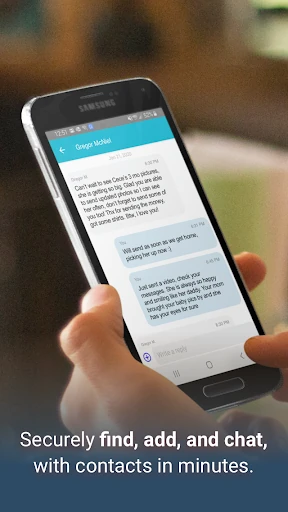
GTL | GettingOut is a communication app for people keeping in touch with an incarcerated friend or family member. It brings messaging, deposits, contact management and, at some facilities, photo and video sharing into one mobile service. I found its purpose refreshingly focused: it is less a general-purpose messenger than a practical way to handle specific communication needs. It should suit people whose loved one’s facility supports GettingOut.
Keeping in Touch from Home
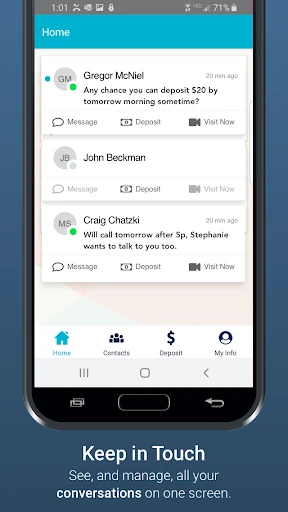
Picture a family member checking in during an ordinary day: they open GettingOut, send a message, and take care of a deposit without needing to make a separate trip to a computer. That combination is the app’s central job. It gives friends and family a mobile place to manage several kinds of communication with an incarcerated person, which can be useful when keeping in contact is part of a busy weekly routine.
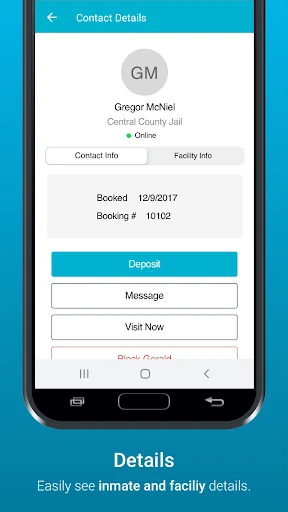
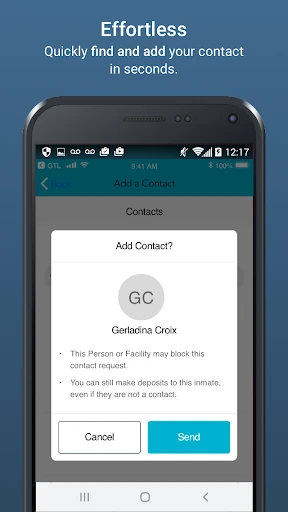
When I consider that day-to-day use, the practical appeal is having messages and deposits together rather than treating each as a separate task. Contact management is included too, so the app is designed around maintaining those connections. Photos and videos are also supported at select facilities, though that availability matters: the app’s usefulness depends partly on whether the relevant facility offers the features a family needs.
A Focused Alternative
GettingOut is not trying to replace the messaging apps I use to chat with friends generally. Its purpose is more specific: communication between incarcerated people and their family or friends, with deposits included in the same service. That makes it a specialized tool rather than an all-purpose social app. If your communication needs are unrelated to a participating facility, this focused setup is unlikely to have much to offer.
Compared with handling communication and account funding separately, having those tasks in one app can make the routine feel more straightforward. But this is not a general video-calling service or a broad platform for arranging visits; the supplied information describes messaging, deposits, contact management, and photo and video sharing at select facilities. I would treat facility support as an important part of deciding whether it fits.
Make It a Small Routine
I’d get more from GettingOut by making it part of a simple check-in routine instead of opening it only when something feels urgent. For example, a family member could use a regular moment in the week to review messages, send a reply, and handle a deposit if one is needed. Keeping these related tasks together may make them easier to remember amid work, errands, and other responsibilities.
It also helps to think ahead about what kind of communication is useful. Messaging is the central option described, while photos and videos depend on the facility. I’d check which of those options apply before building a routine around them, then use contact management to keep the relevant connections organized. Notifications and the Info tab are among the recent changes, offering additional ways to stay oriented within the app.
More From Our News Desk

Zoom Meetings, Google Meet, or Teams: Which Is Easiest to Join?

How I Build a Free Streaming Lineup With Tubi

Why Crunchyroll Is the Default Anime App for So Many Fans

YouTube TV: A Practical Guide to Cutting Cable

Rummikub and the Small Comfort of Phone Games
TeamViewer Remote Control or AnyDesk for Helping Family?
Who May Find It Useful
I’d recommend GettingOut to friends and family who need a mobile way to communicate with an incarcerated loved one and manage deposits. The combination makes sense for someone who wants messages and account-related tasks in one place, particularly if using a phone is more convenient than handling everything elsewhere. Photo and video sharing may be useful too, provided the person’s facility supports those options.
It may not suit people looking for a general chat app, or anyone whose communication needs do not involve a facility that uses the service. The facility-dependent nature of some features is worth keeping in mind before relying on them. I’d also be cautious about judging the whole experience from a single feature: GettingOut’s value comes from its specific communication role, not from offering a broad set of everyday social tools.
GTL | GettingOut is developed by Viapath and is listed in the Productivity category on Google Play. The app is free to download, has no in-app purchases, and contains no ads. Its content rating is Everyone. Google Play shows more than one million installs and a 3.3-star rating from about 21,000 ratings.
The listed Android requirement is Android 7.0 or later. The current version in the provided app information is 3.4.1. GettingOut was released on July 30, 2013, and its latest listed update was October 17, 2025. Recent changes include a simplified deposit process, an Info tab and notifications, design and performance improvements, and faster message approvals at select facilities.
A Closer Look at Everyday Use
A Purposeful First Look
When I first opened GettingOut, the clearest thing about it was its narrow purpose. This is an app for communication between incarcerated people and the people close to them, rather than a general-purpose messaging service. That focus helps set expectations: messages and deposits are central, and contact management supports the same practical goal.
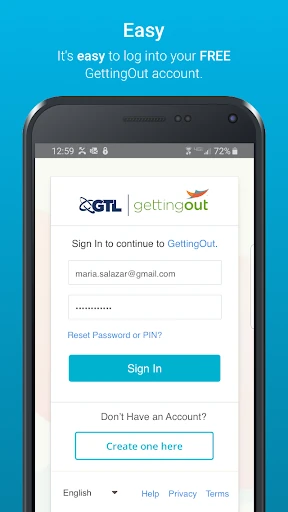
The setup experience is best considered in light of who will use it and where. The app is intended for family and friends communicating with someone in a facility, so the facility’s support for GettingOut features is important. I would first confirm that the service fits the situation, then focus on the available communication options instead of assuming every feature applies everywhere.
Messages and Deposits
Day to day, the combination of messaging and deposits is the most useful part of GettingOut’s pitch. A person can use the app to send and receive messages, then make a deposit as needed. Keeping both tasks inside one mobile service can reduce the mental juggling that comes with switching between separate tools, especially when communication is something a family handles regularly.
Messaging is described as improved, and recent changes include a simpler deposit process. Those updates point toward a more direct routine for the app’s main jobs. The experience still depends on the needs and facility involved, but the basic idea is easy to understand: open the service to stay in contact or take care of a deposit, rather than treating it as a place to browse or socialize.
Photos, Video and Updates
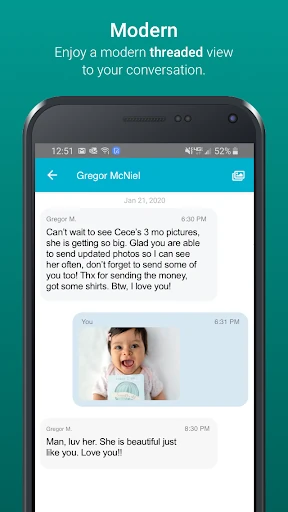
One feature that adds a more personal dimension is the ability to send photos and videos at select facilities. That qualification is important, so I would not assume those options are available in every situation. Where supported, they give users another way to share moments beyond written messages, while remaining part of the same communication-focused service.
The recent changes also include an Info tab and notifications. These additions sit alongside design updates and performance improvements, rather than changing the app’s core purpose. Message moderation using AI is mentioned for faster approvals at select facilities, another detail that is explicitly facility-dependent. Taken together, the standout features are practical extensions of messaging and deposits, not a collection of unrelated extras.
A Weekly Check-In
A useful routine might be to set aside one regular moment to open GettingOut, check for messages, and reply when there is something to say. If a deposit is needed, the same session can cover that task. I like this kind of small habit because it gives communication a place in an already busy week without requiring the app to become a constant distraction.
The routine can stay flexible. If the facility supports photo or video sharing, those options can become part of a message when they suit the moment; otherwise, ordinary messaging remains the central activity described. Notifications may also help users stay aware of updates. I’d use them as a prompt to check in, while keeping the app’s role focused on the communication tasks it is designed to handle.
Know the Boundaries
The biggest limitation is that not every feature applies at every facility. Photo and video sharing are specifically described as available only at select facilities, and faster AI-assisted message approvals are also limited to select facilities. That means the app can look more or less useful depending on the situation. It is sensible to check which features are supported before planning around them.
GettingOut is also a specialized service, so it is not a substitute for a general messenger or a broad social network. Its value is tied to communication between incarcerated people and their friends and family, along with deposits and contact management. If that is not the need, the focused feature set may feel restrictive. For the intended audience, though, that focus is also what makes the app easy to understand.
GTL | GettingOut has a clear, practical role: helping friends and family stay in contact with an incarcerated loved one while managing deposits in the same app. Messaging is its core, with contact management and facility-dependent photo and video sharing adding useful options. The recent updates also address deposits, notifications, and the general app experience.
I’d recommend it to people whose loved one’s facility supports GettingOut and who want a mobile place for these specific tasks. I would not choose it as a general chat app, and I’d check which features apply before relying on them. For the right situation, it offers a focused way to keep communication and deposits together.
GTL Frequently Asked Questions
What is GTL | GettingOut used for?
GTL | GettingOut is used by incarcerated people and their family and friends to stay connected. The app supports sending and receiving messages, making deposits, and managing contacts. Sending photos and videos is also supported at select facilities. Its focus is communication and related tasks, rather than general-purpose social messaging.
Which devices can run GTL | GettingOut?
GTL | GettingOut is an Android app available through Google Play. The listed requirement is Android 7.0 or later. If you are checking compatibility with a particular phone or facility-related setup, it is worth reviewing the current Google Play information, since device compatibility and supported features can vary.
Does GTL | GettingOut cost money?
The app is free to download and the provided app information says it has no in-app purchases and contains no ads. It supports making deposits, but details about any deposit amounts or related charges can vary. Check the Google Play information and the app’s deposit process for current details that apply to your situation.
Can I send photos and videos with GettingOut?
GettingOut supports sending photos and videos at select facilities. That means availability depends on the facility, rather than being something to assume for every user. Messaging is also available, and the app is designed to help friends and family keep in touch. Check the app or Google Play information for details relevant to your facility.
Is GTL | GettingOut right for everyone?
GettingOut is best suited to friends and family who need to communicate with an incarcerated loved one and manage deposits. It may not suit someone looking for a general messaging or social app. The usefulness of some features depends on facility support, so it is worth checking the current Google Play information and which options apply.
Pros
- Combines messaging, deposits, and contact management in one focused app.
- Supports photo and video sharing at select facilities.
- Free to download, with no in-app purchases or ads.
- Recent updates include a simpler deposit process and notifications.
Cons
- Photo and video sharing depends on facility support.
- Its specialized purpose will not suit people seeking general chat.
- Some message approval improvements apply only at select facilities.
- Category
- Productivity
- Version
- 3.4.1