Body Temperature App
- 6.40K
- 3.2
- Installs
- 1.00M
- Price
- Free
Screenshots
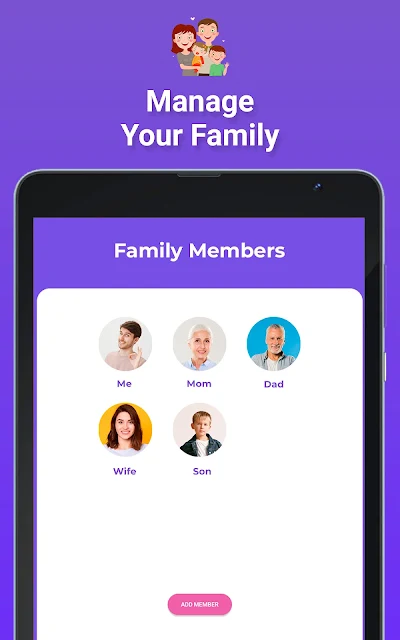
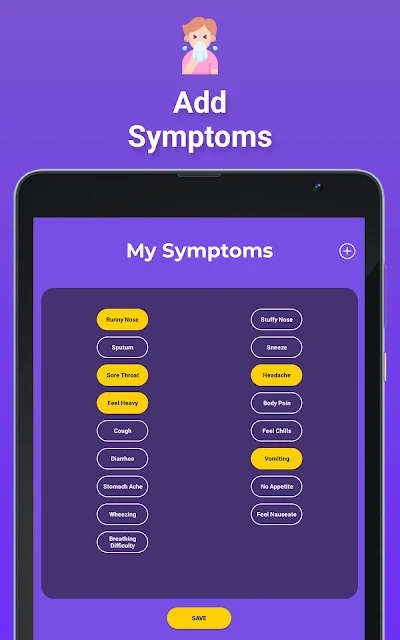
Analysis by Reviewed APKs
Body Temperature App is a manual diary for recording temperature readings, symptoms, and notes, then reviewing them over time. I see it as a practical option for anyone keeping track of a fever at home or maintaining records for several family members. Its charts, summaries, and reminders make the log more useful than scattered notes, but it is important to know that the app does not measure temperature itself.
A fever log at home
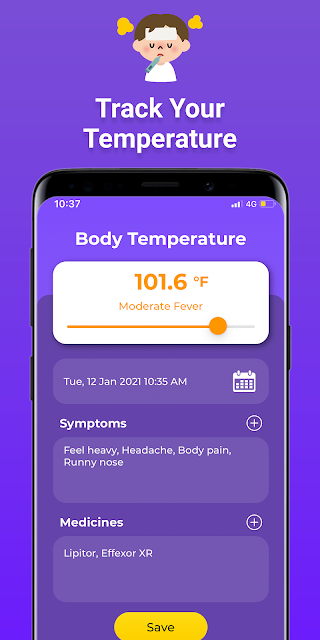
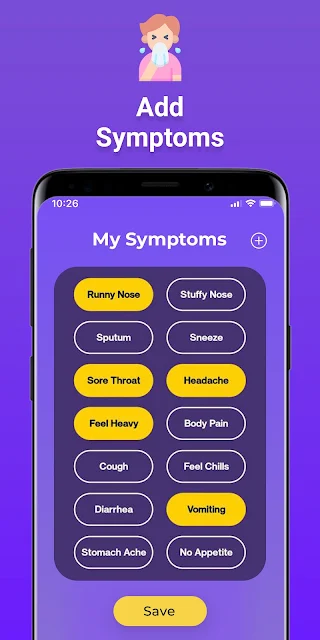
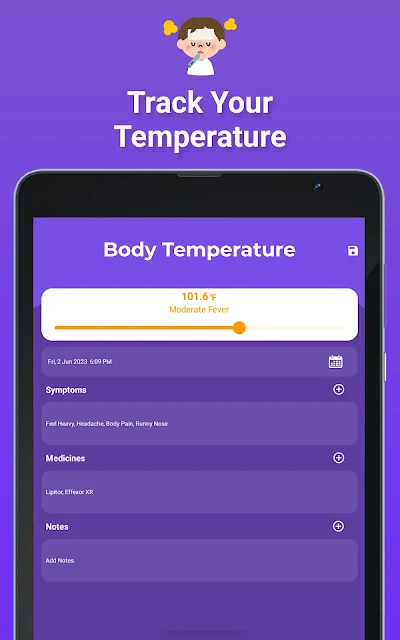
When someone in the family is feeling unwell, temperature readings can quickly become a blur of numbers and times. Body Temperature App gives me a place to enter each reading, choose Celsius or Fahrenheit, and add symptoms or a memo. Instead of relying on memory later, I can look back at what was recorded and see the entries arranged as a history.
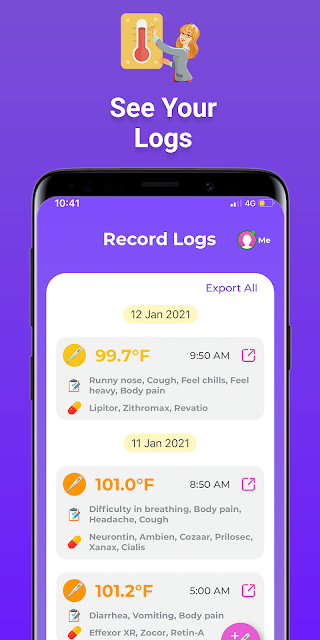
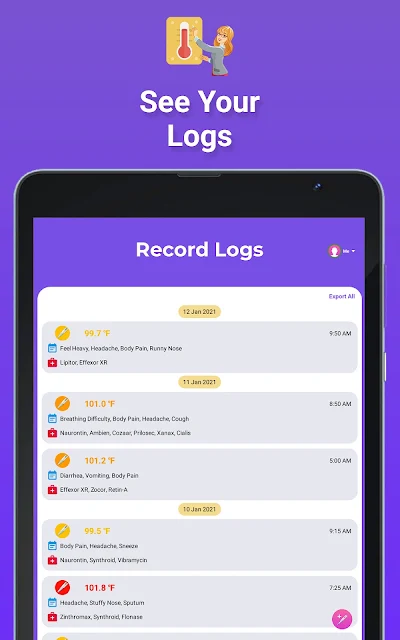
I can imagine using it during a few days of checking a temperature: record a reading after using a thermometer, add a note such as a sore throat, and set a reminder for the next check. The app can show records across a day, week, or month, with graphs and summaries based on what I entered. Those records can also be shared as reports.
A log, not a thermometer
The name might suggest an app that checks your temperature, but that is not its job. Body Temperature App records values that you measure separately. A conventional thermometer provides the reading; this app helps organize it afterward, along with symptoms and notes. That distinction is central to whether it will be useful, and the app itself makes clear that it cannot measure fever.
Compared with a basic note on a phone, the appeal is the temperature-focused history, charts, and reports. Compared with a dedicated thermometer, it does not take a reading. I would use it as a record-keeping companion, not as a diagnostic tool or a replacement for medical advice. Its usefulness depends on entering readings consistently and accurately.
Make entries easier to use
The most helpful habit is to log a reading soon after taking it. Add the relevant symptoms or a short memo while the details are fresh, rather than trying to reconstruct the day later. Choosing one temperature scale and sticking with it can also make a personal history easier to scan, although the app supports both Celsius and Fahrenheit.
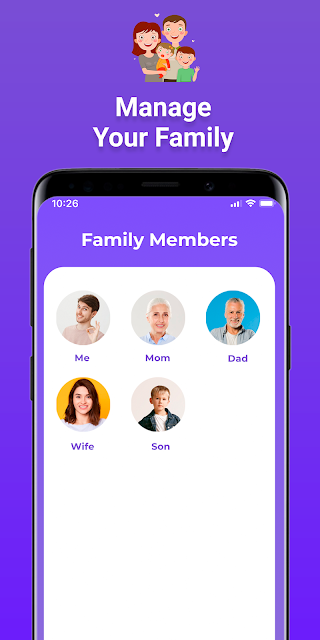
For ongoing tracking, I would set reminder times that fit the household routine and switch notifications on or off as needed. If more than one person needs a record, the family-member management and multiple-user support can keep entries organized by person. Reviewing the week or month view periodically gives the log a purpose beyond collecting numbers.
More From Our News Desk

Zoom Meetings, Google Meet, or Teams: Which Is Easiest to Join?

How I Build a Free Streaming Lineup With Tubi

Why Crunchyroll Is the Default Anime App for So Many Fans

YouTube TV: A Practical Guide to Cutting Cable

Rummikub and the Small Comfort of Phone Games
TeamViewer Remote Control or AnyDesk for Helping Family?
Who may find it useful
I would recommend Body Temperature App to people who already have a thermometer and want a dedicated place to keep readings, symptoms, and notes together. It may suit a household tracking temperatures for several family members, or anyone who wants a simple history to review or share as a report. Celsius and Fahrenheit support also makes it easier to use whichever scale your thermometer displays.
It may not suit someone looking for an app that measures body temperature, automatically detects a fever, or provides medical conclusions. The entries are user-recorded, so the record is only as complete as the information you add. If you rarely need to track readings, a dedicated app may feel like more work than a simple note; the charts and reminders matter most when you use them regularly.
Body Temperature App is a Health & Fitness app from Tripti. On Google Play it has over 1 million installs and a 3.2-star rating from about 6,400 ratings. The app is free to download and contains ads, with in-app purchases priced at $2.49 per item. Its content rating is Everyone.
The current version is 20.0. It was released on November 19, 2020, and was last updated on November 18, 2025. The minimum Android version is not included in the available app details, so check the Google Play listing for the requirement that applies to your device.
A Closer Look at the Temperature Log
First look and setup
When I first opened Body Temperature App, the main idea was straightforward: enter a temperature reading and keep it for later. That simple purpose is a better guide to the app than its thermometer-like name. It is a record keeper, so getting value from it starts with having a separate thermometer and deciding which family member or person a reading belongs to.
Before starting a longer log, I would settle on Celsius or Fahrenheit and add a reading with any relevant notes or symptoms. The app supports both scales and allows users to manage family members. I would also consider whether reminders fit my routine, since notifications can be switched on or off and reminder times can be chosen.
The daily recording experience
The core workflow is manual: measure temperature with a thermometer, enter the value, and save it. The app then keeps the record so it can be reviewed later. That process is not automatic, but it makes clear where each number comes from. Adding a symptom or memo beside a reading can preserve context that a temperature alone would miss.
I like the idea of having a week of readings in one place rather than trying to remember whether a number was taken in the morning or evening. The app supports tracking across a day, week, and month, and it can summarize saved records. The trade-off is that the log needs attention: if I forget to enter a reading, it will not appear in the history.
Charts and shared records
The features that make this more than a bare list are its graphs, statistical analysis, and reports based on recorded values. A chart can make a series of entries easier to scan, while a written record of symptoms and memos gives those values useful context. These are tools for viewing the information entered, not an independent assessment of what it means.
The app also supports managing family members and multiple users, which is useful when readings for different people need to stay associated with the right person. Saved records and reports can be shared with a doctor. I would treat that as a way to pass along a log, rather than as a promise that the app can explain symptoms or recommend treatment.
A practical tracking routine
For a household tracking a short illness, I would keep the routine deliberately simple: take a measurement with a thermometer, open the app, choose the relevant person, and enter the reading. I would add symptoms or a memo if they help explain the day, then save the record. Repeating that after each check gives the app enough entries to show a more useful history.
At the end of the day or week, I would review the saved records and look at the graph or summary rather than relying on memory. Reminder times can help establish a regular schedule, and the notification setting can be turned off when reminders are no longer needed. If a report would be useful, the sharing option gives a way to pass the recorded information along.
Limits to keep in mind
The most important limitation is also the easiest one to misunderstand: Body Temperature App does not measure body temperature. It only stores values entered by the user, so a separate thermometer is essential. The app’s charts and summaries depend on those entries, and they should not be mistaken for a diagnosis or a medical interpretation of a fever.
The app is also most useful when someone is willing to log readings consistently. Missing entries leave gaps, and adding symptoms or notes takes a little more time than writing down a number alone. Ads and in-app purchases are part of the free app, so anyone who wants to know the current purchase options should check Google Play. Its 3.2-star rating suggests checking recent store feedback before deciding.
Body Temperature App has a clear, limited job: organize temperature readings that I have already taken. Manual entries, symptom notes, family-member support, reminders, charts, and shareable reports make it a more structured diary than a loose note. The key is not to expect it to measure, diagnose, or interpret a fever.
I would try it if I needed a consistent record for myself or my family and was comfortable entering readings by hand. If I wanted automatic measurement or a medical assessment, I would look elsewhere. As a temperature log, it offers useful organization, provided I keep its boundaries in view.
Body Temperature Frequently Asked Questions
What is Body Temperature App used for?
Body Temperature App is used to record temperature readings measured separately, then keep a history with symptoms and notes. It can show summaries, graphs, and reports based on the entries, and records can be shared. It does not measure body temperature or diagnose a fever.
Which devices can run Body Temperature App?
Body Temperature App is an Android app available through Google Play. The minimum Android version is worth checking on its Google Play store page, since requirements can vary. The app supports Celsius and Fahrenheit for recording readings.
Does Body Temperature App cost money?
The app is free to download and contains ads. It also offers in-app purchases priced at $2.49 per item in the available details. Purchase options can change, so check Google Play for the current choices before installing or buying anything.
Can Body Temperature App measure my temperature?
No. Body Temperature App cannot measure body temperature; you need a separate thermometer and enter the value yourself. The app keeps those entries and can display records, charts, and reports. It is a tracking diary, not a thermometer or a diagnostic tool.
Is Body Temperature App a good fit for family tracking?
It may suit a family that wants to keep readings, symptoms, and notes organized, since the app supports multiple users and family-member management. It works best when someone records readings consistently. People seeking automatic measurement or medical conclusions may find it unsuitable.
Pros
- Keeps temperature readings, symptoms, and notes together in a searchable history.
- Supports Celsius and Fahrenheit, plus tracking across days, weeks, and months.
- Offers graphs, summaries, reminders, family-member management, and shareable reports.
- Can organize records for multiple users in one app.
Cons
- Does not measure temperature; every reading must come from a separate thermometer.
- Charts and summaries depend on regular, accurate manual entries.
- Contains ads and offers in-app purchases.
- Category
- Health & Fitness
- Version
- 20.0