Afterpay: Pay over time
- 170.22K
- 3.9
- Installs
- 10.00M
- Price
- Free

Screenshots

Analysis by Reviewed APKs
Afterpay: Pay over time is a shopping and payment app for discovering participating brands, shopping online or in stores, and spreading eligible purchases across scheduled payments. I found its appeal less in browsing alone than in having shopping and payment management together. It may suit people who already plan purchases carefully, but installment payments still call for attention to the dates and terms attached to each order.
A Shopping Trip With Afterpay
When I first considered how Afterpay fits into an ordinary shopping day, I pictured replacing a few separate steps: finding a participating retailer, checking whether an order is eligible, and keeping track of its payments afterward. The app brings brand discovery, shopping, and order management into one place. That makes it useful when I want to browse fashion or home goods and see payment options alongside the shopping experience.
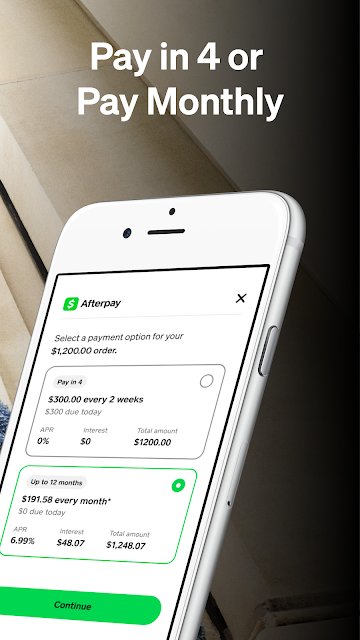
The central routine is straightforward in concept: choose an eligible purchase, review the available payment plan, and manage the resulting schedule in the app. For qualifying orders, Afterpay offers four payments over about six weeks, with autopay, or monthly plans of three, six, twelve, or twenty-four months where offered. Those options depend on eligibility, order amount, and merchant availability, so I would check the terms for a specific purchase.
More Than a Payment Button
Compared with using a store’s ordinary checkout or opening a separate payment app, Afterpay combines shopping discovery with payment tracking. I can browse brands and curated gift guides, look for app-exclusive offers, and review orders in the same place. It also supports eligible in-store shopping, including tap-to-pay. That mix gives the app a broader role than a simple checkout option, especially for someone who likes finding retailers through a shopping feed.
It is not a general-purpose budgeting app, a bank account, or a promise that every purchase can be split into the same plan. The payment choices depend on the order and merchant, and eligibility criteria apply. I would treat the app as a way to shop with supported payment options, not as a substitute for deciding whether a purchase fits my spending plans. Monthly plans also have different terms from the four-payment option.
Small Habits That Help
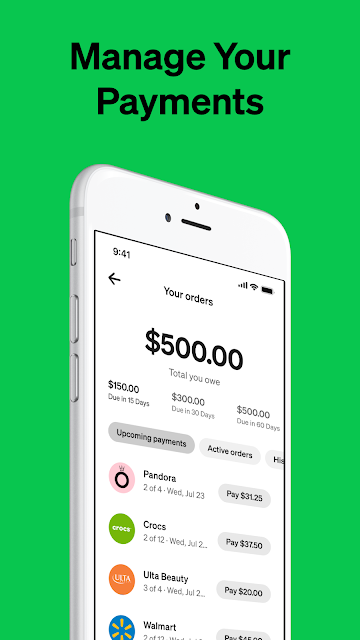
A useful habit is to check the order and schedule after a purchase rather than relying on memory. Afterpay lets users review orders, manage split payments, select a preferred payment day, and receive scheduled-payment notifications. I would make a quick check part of my usual shopping wrap-up: confirm the order details, understand when payments are due, and keep notifications set to a level that makes those dates easy to notice.
The app’s spending-limit view and payment alerts can add context before and after shopping. I would use them as information, not as a reason to spend more: a displayed limit is not the same thing as a personal budget. Curated round-ups and gift guides may also make browsing more focused when I have a particular category in mind. Keeping the shopping purpose clear helps the discovery features stay useful rather than turning into aimless scrolling.
More From Our News Desk

Zoom Meetings, Google Meet, or Teams: Which Is Easiest to Join?

How I Build a Free Streaming Lineup With Tubi

Why Crunchyroll Is the Default Anime App for So Many Fans

YouTube TV: A Practical Guide to Cutting Cable

Rummikub and the Small Comfort of Phone Games
TeamViewer Remote Control or AnyDesk for Helping Family?
Who May Find It Useful
I’d recommend Afterpay to adults who shop with participating brands and want a single app for browsing, eligible payment choices, and order follow-up. It may be especially convenient for someone who prefers scheduled payments and is willing to monitor them. The app also has a discovery angle, with brands, gift guides, and gift cards, so it can appeal to shoppers who like finding products as well as completing a checkout.
It may be a poor fit for anyone who wants a plain shopping catalog without payment features, dislikes managing multiple due dates, or expects every retailer and item to qualify. The app’s payment options have eligibility and merchant conditions, and monthly plans can carry interest depending on the terms offered. I’d also be cautious about treating a spending limit as extra room in a budget. The useful experience depends on keeping the payment commitments in view.
Afterpay: Pay over time is developed by Afterpay and is listed on Google Play as a free shopping app. It has more than 10 million installs and a 3.9-star rating from about 170,000 ratings. The app is marked Mature 17+. Its listed version is 1.147.0, with a release date of August 5, 2018, and a last update date of November 2, 2026.
The app contains no ads and offers no in-app purchases according to its store details. In the app’s described payment options, eligible four-payment plans are interest-free when paid on time, while monthly plans may have APRs from 0.00% to 35.99%, depending on eligibility and merchant. Late fees may apply. The minimum Android version is not included among the available app facts, so check Google Play for device compatibility.
A Closer Look at Shopping and Payments
Opening the App
My first impression is that Afterpay is built around two connected activities: shopping and keeping tabs on payments. The app’s discovery side gives users a way to explore brands and products, while its account tools focus on orders, payment schedules, and spending limits. That combination makes the purpose easy to understand, though the best starting point depends on whether I arrive with a retailer in mind or simply want to browse.
Getting value from it starts with understanding that payment options are conditional. The app describes eligibility requirements, participating merchants, and different plans for different orders. In-store access may require additional verification. I would take a moment to read the details shown for a purchase before proceeding, especially when comparing the four-payment option with a longer monthly plan. The headline payment structure is only part of the decision.
Everyday Order Tracking
The most practical day-to-day feature is the ability to review Afterpay orders and manage split payments. Instead of treating checkout as the end of the interaction, the app gives the payment schedule a place in the same routine. I can imagine opening it after placing an order to check what is scheduled, then returning later when I need to review a payment or adjust the preferred payment day.
Notifications can help make that routine more visible. Afterpay describes alerts for account activity, offers, and scheduled split payments, with notification settings users can manage. I like the idea of a payment reminder living alongside order information, but I would still check the schedule directly rather than assume a notification alone covers everything. The app’s value here is organization; it does not remove the need to understand the dates and terms.
Discovery Beyond Checkout
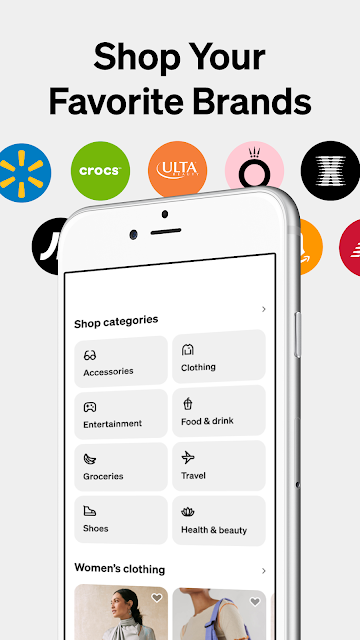
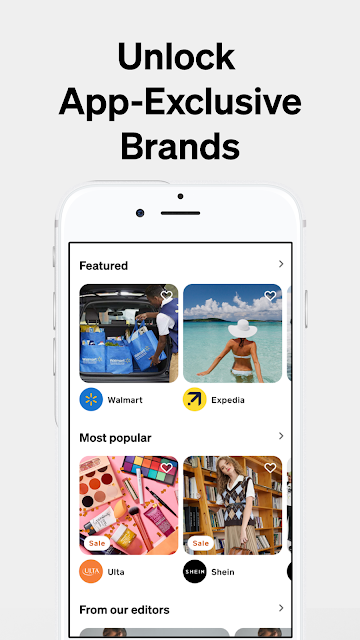
Afterpay’s shopping features give it a browse-and-discover role beyond splitting a purchase. The app covers categories including fashion, beauty, home, toys, and tech, and describes curated round-ups and gift guides. It also promotes app-exclusive brands and discounts. I can see this being handy when I want ideas for a gift or want to explore a category without starting from a specific retailer’s website.
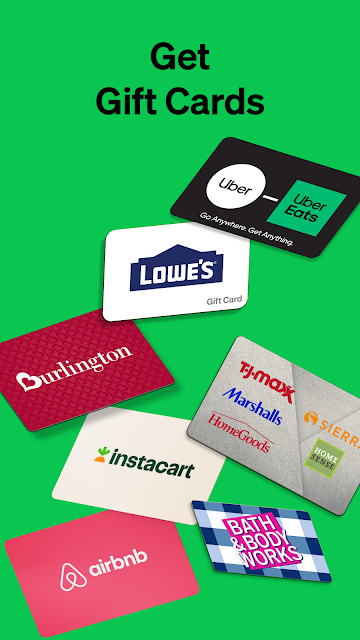
Gift cards add another distinct use. The app says users can choose from gift cards for hundreds of brands and send a selected card directly to the recipient’s inbox, while paying over time online. That turns the app into a place to shop for a gift as well as manage eligible purchases. As with other features, I would check the options and payment terms presented for the particular card before choosing it.
A Manageable Weekly Check
A practical way I would use Afterpay is to pair it with a regular shopping review. After making an eligible purchase, I would open the order details, note the scheduled payments, and decide whether notifications are set in a useful way. If I had several orders, a brief check-in could help me see their schedules together rather than relying on scattered checkout emails or memory.
Before placing another order, I would look at the available plan and the spending-limit information, then compare that with the commitments already in the app. This is not about maximizing a limit; it is about understanding what the next purchase adds. The app supports payment management and shows a spend limit, but the user still has to make a considered decision about whether a purchase and its dates make sense.
Limits to Keep in Mind
The main limitation is that payment availability varies. Afterpay says plans depend on eligibility, order amount, and merchant availability, so shoppers should not expect one universal schedule. The four-payment option is described as interest-free when eligible and paid on time, but late fees may apply. Monthly plans have separate terms and can carry an APR, so they deserve a closer read rather than being treated as interchangeable with four payments.
The app is also tied to participating brands and shopping, which means it may not replace a general financial organizer or a universal payment method. Its shopping discovery features may be less compelling to someone who already knows exactly where they want to buy. And although the app can help users review orders and receive alerts, those tools do not decide whether a purchase is affordable or make payment obligations disappear.
Afterpay brings shopping discovery, supported payment plans, and order management into one app. I like that its usefulness continues after checkout, with schedules, alerts, and order details available alongside brand browsing. The main caveat is that the options depend on eligibility and merchant terms, and monthly plans can involve interest.
I’d suggest trying it to adults who shop with participating retailers and will keep a close eye on due dates and plan details. If you want a straightforward catalog or do not want installment commitments to manage, it may be more app than you need. Read the terms for each order before choosing a plan.
Afterpay Frequently Asked Questions
What is Afterpay: Pay over time used for?
Afterpay is a shopping app for discovering brands and products, shopping with participating merchants, and managing eligible split-payment orders. It describes four-payment plans and monthly plans where available, along with order reviews, payment notifications, gift cards, and in-store shopping options. The plan offered for a specific purchase depends on eligibility, merchant availability, and order details.
Which devices can run Afterpay: Pay over time?
The app is available on Android through Google Play. The minimum Android version is worth checking on the Google Play store page, since device requirements can vary. The provided app information does not establish availability on other platforms, so check the relevant store if you want to use Afterpay on a different kind of device.
What Android version does Afterpay: Pay over time require?
The minimum Android version is not included in the available app details. Check the Google Play store page on your device for the current compatibility requirement before installing. Afterpay’s payment eligibility and plan terms are separate from device compatibility and should be reviewed for the specific purchase you have in mind.
Does Afterpay: Pay over time cost money?
The app is free to download and its store details say it contains no ads or in-app purchases. Payment plans are subject to their own terms: eligible four-payment plans are described as interest-free when paid on time, while monthly plans may have APRs from 0.00% to 35.99%, depending on eligibility and merchant. Late fees may apply; review the terms shown for an order.
Who is Afterpay: Pay over time suitable for?
It may suit adults who shop with participating brands and want to track eligible payment schedules in the same app they use to discover products. Users must meet additional eligibility criteria, and in-store access may require more verification. It may not suit people who do not want installment payments or who prefer not to manage payment dates and plan terms.
Pros
- Combines brand discovery, shopping, and order management in one app.
- Supports payment schedule reviews, preferred payment days, and notifications.
- Includes gift guides, gift cards, and in-store payment options.
- Offers several payment plan lengths when eligible and available.
Cons
- Payment plans depend on eligibility, order amount, and merchant availability.
- Monthly plans may carry interest, and late fees may apply.
- Shopping discovery may be unnecessary for users seeking only payment tracking.
- Category
- Shopping
- Version
- 1.147.0