Harvest Moon: Home Sweet Home
- 1.86K
- 3.9
- Installs
- 10.00K
- Price
- $17.99

Screenshots
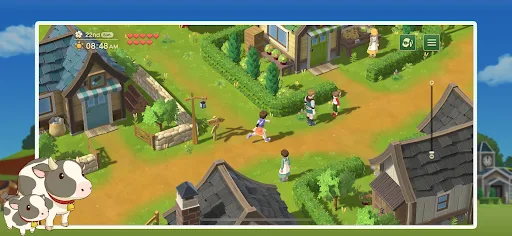
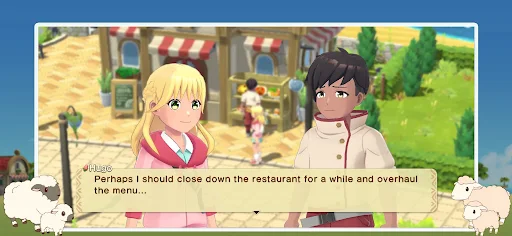

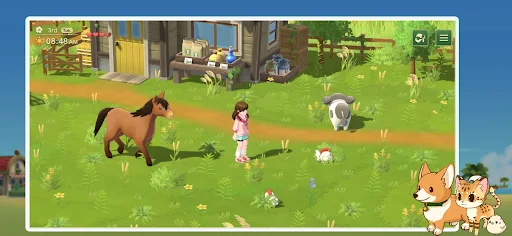
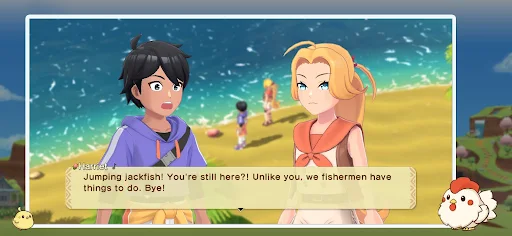
Analysis by Reviewed APKs
Harvest Moon: Home Sweet Home is a farming role-playing game about returning to Alba, a village that needs new life. I spent my time balancing crops, animals, fishing, mining, village growth, and relationships rather than chasing one narrow goal. It suits players who enjoy a gentle routine with several things to work toward. My overall take is that it feels welcoming and varied, though its slower pace asks for patience.
A Day Around Alba
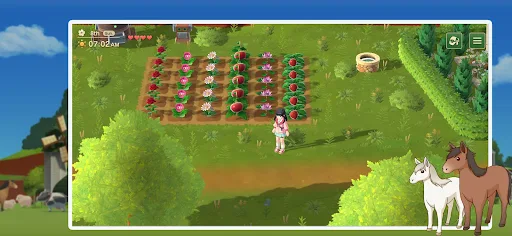
A typical session is a string of small jobs. I harvest crops, care for animals, and make time for fishing or mining, then put effort toward collecting Happiness so Alba can grow. The village’s needs give those familiar farming tasks a wider purpose: the aim is not just to keep a farm going, but to help bring tourists and residents back. That broader goal gives ordinary chores a satisfying sense of direction.
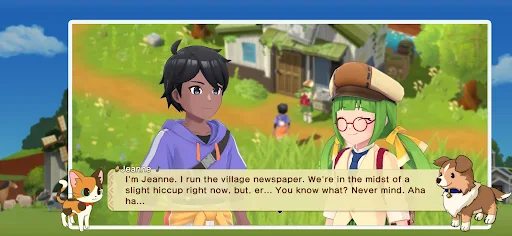
What I liked about the loop is that it leaves room to choose what to focus on. One session can be mostly farm work; another can center on villagers, a contest, or a festival. Reuniting with a childhood friend and meeting familiar faces adds a personal thread to the village’s recovery. I found that mix easy to return to after a busy day, although players looking for constant action may find the steady routine too calm.
A Farming RPG, Not a Rush
Compared with a straightforward crop-growing game, Home Sweet Home ties its farming to a community project. Alba is declining as younger villagers leave, and the player works to attract newcomers and visitors. Relationships, marriage choices, village growth, and seasonal events all sit alongside crops and animals. That range makes it a better fit for players who like having several gentle goals in motion, rather than treating the farm as the only reason to play.
It is not an action-heavy role-playing game or a tightly directed story adventure. The appeal is building a routine and watching the village develop, with fishing, mining, contests, and social connections adding variety. I would also avoid approaching it as a quick, one-sitting experience: the premise and activities point toward gradual progress. If you want a quiet farming game with relationships and community improvement, it has a clear lane; if you need fast stakes, it may not.
First Hours, Small Priorities
In the first hours, I would resist trying to do everything at once. Get comfortable with the basic farm routine, then rotate in other activities when you feel ready. Crops and animal care establish a dependable rhythm, while fishing and mining offer different ways to spend time. Keeping Alba’s recovery in mind also helps: collecting Happiness is tied to growing the village and bringing in residents, so it is worth treating that goal as part of the daily plan.
I also found it useful to make space for the social side early, rather than leaving every interaction until later. The game includes a range of bachelors and bachelorettes, and marriage is an option, so talking to villagers is part of the wider experience. Contests and festivals provide another reason to look beyond chores. Most importantly, check that your Android device meets the stated requirements before buying; compatible devices need Android 9.0 or later, a 2.8 GHz or faster CPU, and at least 4GB of RAM.
More From Our News Desk

Zoom Meetings, Google Meet, or Teams: Which Is Easiest to Join?

How I Build a Free Streaming Lineup With Tubi

Why Crunchyroll Is the Default Anime App for So Many Fans

YouTube TV: A Practical Guide to Cutting Cable
Rummikub and the Small Comfort of Phone Games
TeamViewer Remote Control or AnyDesk for Helping Family?
Who will enjoy the village life
I’d recommend Harvest Moon: Home Sweet Home to players who like farming games with a relaxed pace and more than one kind of progress. The crop and animal routine is paired with fishing, mining, festivals, contests, and relationships, so there are several ways to spend a session. Players who enjoy seeing a community improve may especially appreciate that Alba’s future is part of the game’s central goal.
It may be less appealing if you want constant challenges, immediate rewards, or a narrow focus on action. The many activities are inviting, but they still sit inside a gradual farming routine, and that can feel repetitive if tending crops and animals is not your kind of play. I’d also advise checking device compatibility first. The game has specific Android hardware requirements, and some devices may not be supported even when their operating system is recent enough.
Harvest Moon: Home Sweet Home is a paid role-playing game from Natsume Inc. On Google Play, it costs $17.99, has over 10,000 installs, and holds a 3.9-star rating from 1,864 ratings. It does not contain ads or offer in-app purchases, so the listed price is the main purchase cost shown in the supplied store information.
The game is rated Everyone. Its current version is 1.34, and it was released on August 8, 2024; the supplied information gives February 2, 2026 as its last update date. The stated Android requirements are Android 9.0 or later, a CPU running at 2.8 GHz or greater, and 4GB of RAM or greater. Some devices may still be unsupported.
Finding a Rhythm in Alba
Settling Into the Village
The setup is easy to understand: return to your childhood village, help it recover, and make a life there. Alba’s declining population gives the farm routine a little context from the start. Rather than presenting the work as chores without a larger purpose, the game connects gathering Happiness with growing the village and attracting new residents. I found that framing helpful when deciding what to work toward during a session.
The first stretch is best approached as a gentle introduction to the game’s different activities. Farming and animal care are the clearest recurring tasks, but the description also points to fishing, mining, social relationships, and local events. I would not try to master every strand immediately. Starting with a manageable routine makes it easier to notice which activities you enjoy and to build outward without turning the opening into a checklist.
Progress at a Steady Pace
Progress is built around steady effort rather than a single dramatic objective. You work the farm, collect Happiness, and help bring Alba toward prosperity, while also making room for friendships and other village activities. That gives the game a comfortable rhythm: a small task can contribute to a longer goal, and a session does not need to revolve around one big event. I liked having a community outcome to keep in view.
The flip side is that gradual progress can feel slow if you prefer immediate changes. The village is meant to grow through continued work, and the activity list suggests a game designed for returning to familiar routines. Contests and festivals add variety, but they do not change the basic appeal: tend, gather, connect, and keep going. Players who enjoy that gentle cadence should settle in more easily than those who want a rapid stream of new challenges.
More Than the Farm
There is a useful spread of activities beyond planting crops. You can care for animals, fish, mine, take part in contests and festivals, and build relationships with a variety of bachelors and bachelorettes. Marriage is part of the social side, while the village’s growth supplies a broader community goal. That combination gives the game a wider scope than a farm routine alone and lets players shift focus when one activity starts to feel familiar.
The setting also gives those activities a shared reason to matter. Alba has been losing younger residents, and the player’s work is meant to help draw tourists and new people to the village. Familiar faces, including a childhood friend, give the return home a personal element. I appreciated that the social and village-building themes sit alongside the practical farm tasks, rather than making the whole experience about crop management.
The range is appealing, but I would keep expectations tied to what the game actually emphasizes: farming, animals, fishing, mining, relationships, contests, festivals, and village growth. Those are the supported pillars that make the mobile version feel broad. They offer variety without requiring the player to leave the relaxed, rural premise behind.
A Clear Purchase Model
Home Sweet Home is listed at $17.99 on Google Play and is not a free-to-play game. It also has no in-app purchases and contains no ads according to the supplied store facts. I appreciate the simplicity of that arrangement: the price is presented up front, and the facts do not point to additional purchase prompts or advertising interruptions during play.
That does not automatically make it the right purchase for everyone. At this price, I would want to be confident that a calm farming RPG is what I’m looking for, especially if I tend to play in short bursts or lose interest in repeated routines. The variety of activities helps, but the game’s core remains a gradual farm-and-village experience. Checking the device requirements before buying is also a sensible part of deciding whether it suits you.
Practical Limits to Consider
The most concrete practical limitation is device compatibility. The stated requirements call for Android 9.0 or later, a CPU of at least 2.8 GHz, and 4GB of RAM. The description also cautions that some devices may not be supported even when they meet the operating-system requirement. I would check the Google Play information for your device before purchasing, rather than assuming that a newer Android version alone is enough.
The game’s pacing is another consideration. Farming, animal care, gathering Happiness, and helping the village grow all suit players who are comfortable returning to ongoing goals. If you prefer short, self-contained challenges, that structure may feel less satisfying. The supported details do not establish whether play works offline or how much time a particular task takes, so those practical points are worth checking in the store information before planning around them.
Finally, this is a paid game with an Everyone content rating, but that rating does not tell you whether the style of play will suit a particular player. The main question is taste: do you want a patient rural routine with relationships and community growth, or a faster, more demanding game? For me, the answer makes this an easy recommendation to a specific audience rather than a universal pick.
Harvest Moon: Home Sweet Home works best when I treat Alba as a place to build up over time, not a checklist to clear quickly. The farming loop has enough company from fishing, mining, relationships, festivals, and village growth to stay varied, while the calm pace keeps the experience approachable.
I recommend it to players who want a relaxed farming role-playing game and are comfortable with a $17.99 purchase and the stated Android requirements. If you need fast action or dislike repeating a steady routine, I’d look elsewhere. For patient fans of village life, Alba offers a welcoming reason to come back.
Harvest Moon Frequently Asked Questions
Is Harvest Moon: Home Sweet Home free to play?
No. Harvest Moon: Home Sweet Home is a paid game listed at $17.99 on Google Play. Store prices can vary by region or change over time, so it is worth checking the current price in the store before buying.
Does Harvest Moon: Home Sweet Home have in-app purchases?
The supplied Google Play facts say it does not offer in-app purchases and contains no ads. The listed price is $17.99. Store details can change, so check the current Google Play information if you want to confirm the purchase terms before downloading.
Can I play Harvest Moon: Home Sweet Home offline?
Offline play details are not established in the supplied game information. If offline access matters to you, check the current Google Play description or ask the developer before relying on it for travel or other situations without a connection.
What devices can run Harvest Moon: Home Sweet Home?
The stated requirements are Android 9.0 or later, a CPU running at 2.8 GHz or greater, and at least 4GB of RAM. Some devices may still be unsupported, so check Google Play compatibility for your specific phone or tablet.
Is Harvest Moon: Home Sweet Home suitable for children?
The game has an Everyone content rating. That rating indicates its store-assigned age category, while whether its farming routines and relaxed pace suit a particular child depends on the player. A parent can review the current Google Play information before deciding.
Pros
- Farming, animals, fishing, mining, and village goals give sessions several directions.
- Relationships, marriage, contests, and festivals add variety beyond crop care.
- No ads or in-app purchases are listed in the supplied store facts.
- The village’s recovery gives routine tasks a broader purpose.
Cons
- Gradual farming progress may feel slow to players who prefer quick challenges.
- Specific Android hardware requirements may rule out some otherwise recent devices.
- The $17.99 price asks for commitment to a relaxed, repetitive game loop.
- Category
- Role Playing
- Version
- 1.34