Last Day on Earth: Survival
- 4.74M
- 4.4
- Installs
- 100.00M
- Price
- Free
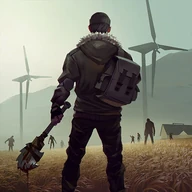
Screenshots

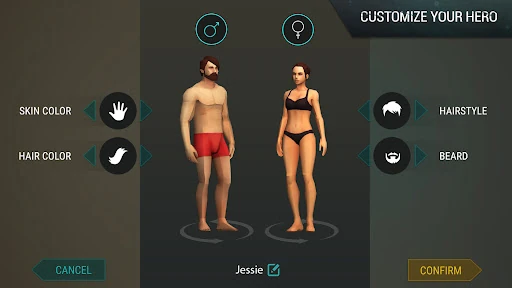

Analysis by Reviewed APKs
Last Day on Earth: Survival is an action game about scavenging, crafting, fighting zombies, and building a shelter in a post-apocalyptic world. I found it best suited to players who enjoy gradually turning limited supplies into useful gear and a sturdier home. Its appeal is the steady loop of risk and preparation, though the long-term focus on collecting resources may not suit anyone looking for quick, self-contained missions.
A Risky Scavenging Loop
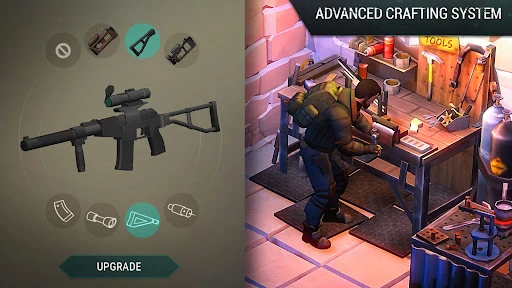
A typical session starts with a practical question: what do I need, and how far am I willing to go to find it? I head out to loot a location, gather materials, and deal with zombies, then bring what I can back to my shelter. That haul can become tools, weapons, clothing, or building parts. The satisfying part is seeing a trip away from home turn into something useful back at base.
The game makes exploration feel like a trade-off rather than a casual stroll. Forests and suburbs offer opportunities, while military zones, toxic wastelands, and bunkers promise rarer materials alongside greater danger. I found myself weighing what I hoped to collect against the chance of losing progress on an outing. The base gives those decisions a purpose: supplies matter because they help me prepare for the next trip.
For Patient Survival Fans
Compared with a straightforward zombie shooter, Last Day on Earth: Survival asks me to spend time on the work around combat. I gather basic resources, craft equipment, improve my shelter, and then venture back out. That broader survival loop is a good fit if I enjoy planning and gradual progress as much as aiming at enemies. The game also has multiplayer elements, including clans and PvP at the Crater.
This is not the best match if I want a short action campaign that quickly moves from one set-piece battle to another. Much of the appeal comes from collecting and building over time, and tougher locations make preparation important. I would also look elsewhere if I want every activity to be cooperative: clans can help with teamwork, but the description says cooperation is not required. The focus remains on surviving and developing my own base.
Make Early Trips Count
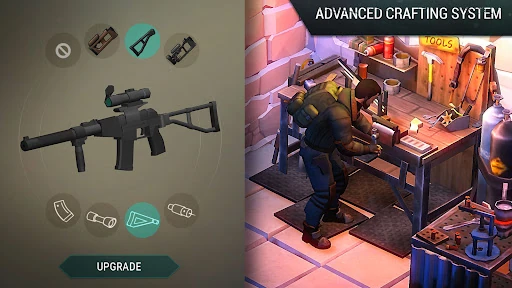
In the opening hours, I would concentrate on gathering basic resources and making the first tools, weapons, clothing, and shelter components. Those early crafts give each trip a clear purpose and establish the cycle of collecting, returning, and improving. I found it helpful to think of the base as a work in progress rather than a finished fortress. Storages and workbenches become more useful as I gather enough supplies to expand.
I would also choose outings according to what I need, rather than treating every location as equally safe or rewarding. The game describes some areas as better sources of simple materials and others as more dangerous places to seek rare components. Make room for the possibility that a trip will be costly, and prepare suitable gear before taking on tougher enemies. As the shelter grows, traps and stronger walls offer additional ways to protect what I have collected.
More From Our News Desk

Zoom Meetings, Google Meet, or Teams: Which Is Easiest to Join?

How I Build a Free Streaming Lineup With Tubi

Why Crunchyroll Is the Default Anime App for So Many Fans

YouTube TV: A Practical Guide to Cutting Cable

Rummikub and the Small Comfort of Phone Games

TeamViewer Remote Control or AnyDesk for Helping Family?
Who Will Stick With It
I would recommend Last Day on Earth: Survival to players who like resource management with their action. There is a clear satisfaction in bringing home a useful haul, crafting something from it, and watching a modest hideout become more secure. People who enjoy deciding whether to take a safer route or risk a dangerous location for better materials should find plenty to think about between fights.
Players who prefer fast, neatly resolved missions may bounce off the repeated gathering and building. Progress depends on finding supplies and using them well, so the appeal is more gradual than a pure shooter’s. There are pets, vehicles, varied hostile locations, and Crater clan and PvP activities to broaden the experience, but the central draw remains survival through preparation. I’d approach it as a long-term world to develop, not a quick one-evening story.
Last Day on Earth: Survival is developed by KEFIR and is free to play on Google Play, with optional in-app purchases. Google Play shows over 100 million installs and a 4.4-star rating from around 4.7 million ratings. The listed in-app products range from $0.49 to $199.99 per item, and the game contains ads.
The game has a Teen content rating and requires Android 7.0 or later. The current listed version is 1.44.0, and its release date is May 24, 2017. The store information gives a last updated date of January 30, 2026. Those figures provide useful context, but the core question for me is whether its survival-and-crafting routine fits the way I like to play.
Building a Life in the Wasteland
Learning the Survival Routine
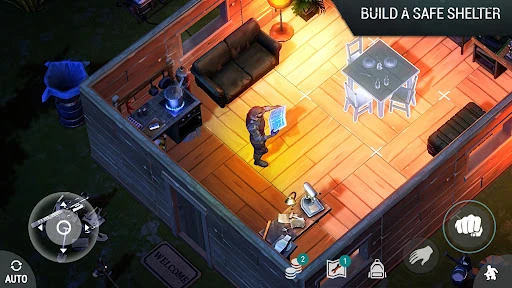
When I first opened the game, the premise was easy to grasp: I was alone, short on supplies, and needed to make useful things from what I could gather. Starting with basic resources, I could work toward tools, weapons, clothes, and the first parts of a shelter. That sequence gives the opening a hands-on feel. Instead of treating crafting as a side activity, the game makes it part of getting established.
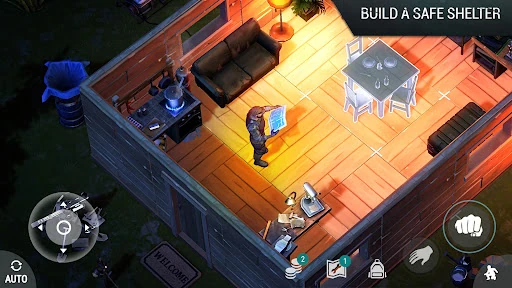
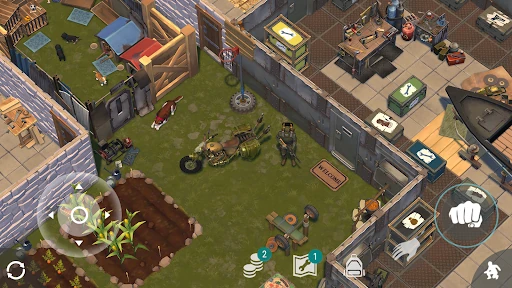
The onboarding is best understood through the actions the game sets up: gather, craft, build, and head out again. Each part supports the next, so even a small haul can help make the next outing more manageable. I liked that the early shelter has room to grow into a more fortified base, with walls, traps, workbenches, and storage. The practical lesson is to build with a purpose, using what I collect to improve survival.
Progress Comes in Layers
Progression has a satisfying sense of scale. A fragile hideout can become a sturdier base, while gathered materials support more capable weapons, armor, and other survival supplies. The world’s locations also create a gradual risk ladder: some are suitable for basic resources, while dangerous zones and bunkers offer the prospect of rarer components. I found that this structure gave exploration a reason beyond simply seeing a new place.
The pacing is deliberate because the game asks me to collect before I can craft and upgrade. That can be rewarding when I have a specific goal, such as improving a defense or preparing for a difficult outing. It can feel repetitive if I want every session to deliver a major unlock. Tough bosses, changing weather conditions, and hostile locations add challenges, but preparation remains central rather than being replaced by a rush of combat.
More Than Zombie Encounters
The most distinctive feature is how the base-building and looting fit together. I am not just clearing enemies; I am looking for materials that can become weapons, armor, defenses, or useful storage. The game includes a range of locations, such as police stations, farms, ports, bunkers, and infested areas. Their differing challenges and loot give me reasons to change where I go as my needs and equipment develop.
There is variety beyond the basic gather-and-fight routine. Pets such as huskies and shepherds can accompany raids, carry extra loot, and help in combat. Vehicles including a Chopper, ATV, and motorboat provide access to remote territories with resources for advanced crafting and upgrades. At the Crater, clans include cooperation, trading, and competitive battles against other survivors and raiders. These additions widen the survival setting without changing its resource-focused foundation.
Spending and Fairness
The game is free to download, but it contains ads and offers in-app purchases. Google Play lists individual in-app products at prices from $0.49 to $199.99. That is a broad range, so I would check the purchase details carefully before spending. The available facts do not establish how much any particular purchase changes the experience, and I would not treat optional spending as a substitute for understanding the game’s regular gathering and crafting loop.
For my recommendation, the important point is to go in expecting a free game with monetization, not a paid one-time purchase. Whether the ads or purchase prompts feel intrusive can depend on how a player encounters them, so I would judge that during play rather than assume they will or will not interrupt a session. The core activities described—looting, building, crafting, and fighting—are the basis of the game’s appeal.
A Few Limits to Consider
The main commitment is time. Gathering resources, building defenses, and preparing for more dangerous areas all encourage repeated sessions, so this is not an especially tidy fit for players who want a complete experience in a few short visits. The risk attached to expeditions also gives planning weight: I want a good reason to travel into a dangerous area rather than treating every trip as disposable sightseeing.
The description presents the game as multiplayer and mentions Crater clan and PvP activities, but it does not explain how every activity handles connectivity. I would check the Google Play details if offline access matters to my routine. Device demands beyond the Android 7.0 minimum are also worth checking against the store information for a specific phone. These practical questions do not change the main appeal, but they can affect whether it fits my setup.
Last Day on Earth: Survival works best when I enjoy the work of surviving as much as the fights themselves. Its strongest loop turns scavenged materials into better equipment and a more secure shelter, then gives me new reasons to explore. I like that sense of gradual improvement, although the repeated resource gathering asks for patience.
I recommend it to players who want a persistent-feeling survival routine with crafting, base building, zombies, and multiplayer activities. If I were after a quick, story-led shooter, I would choose something else. For everyone else, the free download makes it easy to see whether its careful balance of risk and preparation clicks.
Last Day on Earth Frequently Asked Questions
Is Last Day on Earth: Survival free to play?
Yes. Last Day on Earth: Survival is free to download on Google Play. It contains ads and offers optional in-app purchases, so free access does not mean the game has no monetization. The store lists purchase prices from $0.49 to $199.99 per item. Check Google Play for current details before installing or buying anything.
What in-app purchases does Last Day on Earth: Survival offer?
Google Play indicates that Last Day on Earth: Survival offers in-app purchases, with listed products ranging from $0.49 to $199.99 per item. The game also contains ads. The specific items and prices can change, so it is worth checking the current store page and purchase screens for the latest information.
Can I play Last Day on Earth: Survival offline?
Last Day on Earth: Survival is described as a multiplayer game and includes clan and PvP activities at the Crater. The available description does not specify whether particular parts can be played offline. If offline access is important, check the Google Play information or the game’s current store details before relying on it for a trip or commute.
What devices can run Last Day on Earth: Survival?
The listed minimum requirement is Android 7.0, and the game is available through Google Play. Device performance can depend on the phone or tablet, so check the current store page for compatibility with a particular device. The listed version is 1.44.0, with a last updated date of January 30, 2026.
Is Last Day on Earth: Survival suitable for younger players?
Last Day on Earth: Survival has a Teen content rating on Google Play. It features zombies, combat, and a post-apocalyptic survival setting, so parents may want to review the store’s current rating details and description when deciding whether it suits a particular player. Ratings and guidance can vary by store or region.
Pros
- Crafting and base building give scavenged resources a clear purpose.
- Different locations create varied risks and reasons to explore.
- Pets, vehicles, bosses, and Crater activities broaden the survival loop.
- The free download makes it easy to try the core routine.
Cons
- Repeated resource gathering may feel slow to players seeking quick missions.
- Dangerous outings make preparation and risk assessment part of every trip.
- Ads and a wide range of in-app purchase prices may not suit everyone.
- Category
- Action
- Version
- 1.44.0