Click to download now, finish the installation quickly, and directly unlock the all-round experience
Screenshots

Click to download now, finish the installation quickly, and directly unlock the all-round experience
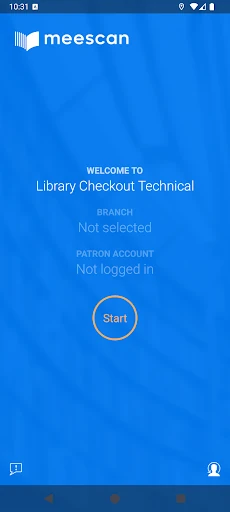
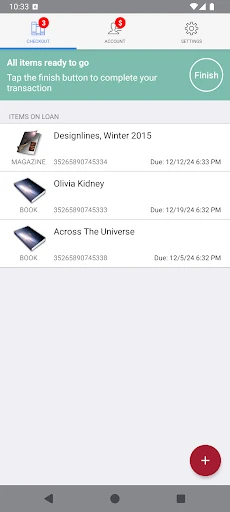
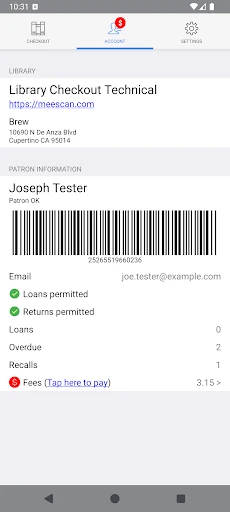
Meescan is a mobile self-checkout app for library users. It lets you scan books and other library items with your phone while browsing, rather than taking everything to a circulation desk. The app can also hold your library credentials, reducing the need to carry a physical card. That makes it most useful for regular patrons whose local library system supports Meescan and who prefer a quicker, more independent checkout process.
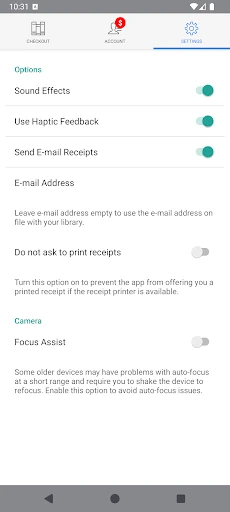
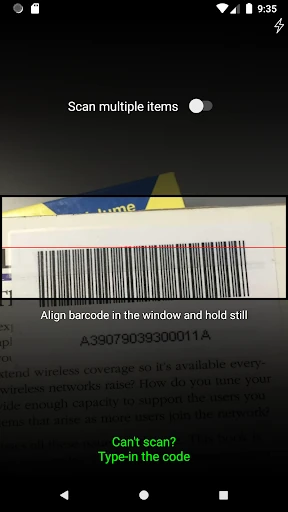
The main experience is built around the camera: open the scanner, point it at an item’s barcode, and continue through the borrowing process in the app. This keeps the interaction focused and should work well when you are already standing in the stacks. Account access and library details are handled from the same mobile interface, so Meescan is less about browsing books and more about removing a specific piece of friction from borrowing them.
Meescan’s usefulness depends heavily on local support. If your library has not integrated the service, the app has little practical value, regardless of how straightforward the scanner feels. Camera performance matters too: autofocus and barcode recognition may be less reliable on older or entry-level phones, or in dim parts of a library. It is also a focused utility rather than a full reading companion, with no clear indication here of broader tools such as reading lists or borrowing reminders.
Meescan has a narrow job and stays close to it: help participating library members check out items without waiting at the desk. That clarity is its main strength. The app is listed under Libraries & Demo, is developed by Meescan Inc., and has a 4.6 rating from 19 ratings, with 5,000+ installs. Those figures suggest a small but positive footprint; they are not enough to say much about performance across different library systems or phones. For supported libraries, it could be a useful convenience. For everyone else, the integration question comes first.